
Finding a truly satisfying plate of albondigas con sepia is more than just searching for a meal—it’s about discovering a dish that blends the richness of traditional meatballs with the deep, oceanic flavor of cuttlefish. In coastal Spanish and Mediterranean-inspired cuisine, this dish stands out for its bold character, comforting texture, and aromatic sauce that feels both rustic and refined.
Whether you’re exploring local eateries, seaside tapas bars, or hidden family-run kitchens, this guide will help you understand what makes a great version of this dish and how to recognize quality when you see it. The journey to discovering the best albondigas con sepia near me starts with understanding its ingredients, preparation style, and the cultural roots behind it
Understanding the Dish and Its Coastal Roots
The combination of meatballs and cuttlefish might sound unusual at first, but it is a celebrated pairing in Mediterranean cooking. The sweetness of sepia balances the savory depth of the meatballs, creating a layered flavor that is both comforting and complex. This dish is especially popular in coastal regions where seafood is freshly sourced daily.
Historically, fishermen and coastal families created dishes like this to make use of available ingredients, blending land and sea into one hearty meal. Over time, it evolved into a restaurant favorite, often featured in tapas menus and traditional Spanish kitchens. Many food lovers searching for the best albondigas con sepia near me are often surprised by how rich and balanced the flavor profile is.
As one Spanish chef once said, “When the sea meets the land on a plate, you don’t just eat—you experience a story of survival and celebration.”
Flavor Profile and Culinary Experience
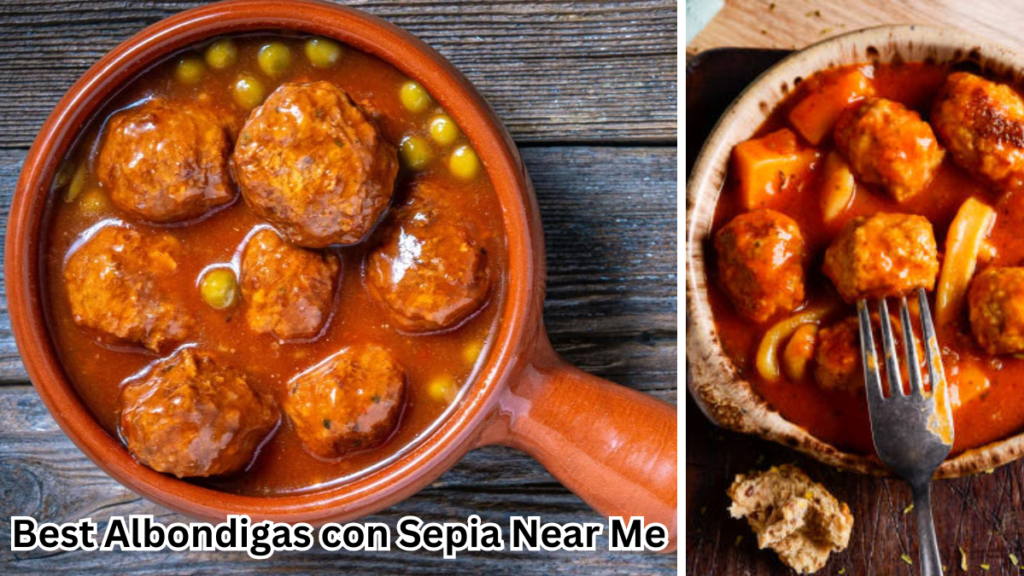
The flavor of albondigas con sepia is deeply layered, offering a mix of savory meat, ocean freshness, and slow-cooked sauce richness. The cuttlefish adds a subtle briny sweetness that enhances the meatballs rather than overpowering them. Garlic, tomato, paprika, and olive oil typically form the base of the sauce, giving it warmth and depth.
When tasting the best albondigas con sepia near me, diners often notice how the textures contrast beautifully. The meatballs are tender yet firm, while the sepia adds a slight chewiness that keeps every bite interesting. The sauce is usually thick enough to coat each ingredient without being heavy.
Food critics often describe it as “a dish that feels like a coastal sunset—warm, layered, and unforgettable.” This balance is what makes it a standout option in Mediterranean dining.
Where to Find Authentic Versions Locally
Locating authentic versions of this dish depends heavily on knowing where to look. Traditional Spanish restaurants, tapas bars, and Mediterranean seafood kitchens are your best options. Many chefs prepare it as a daily special rather than a permanent menu item, which makes it even more desirable.
If you are searching for the best albondigas con sepia near me, focus on places that emphasize fresh seafood delivery and homemade sauces. Establishments near coastal areas or with Spanish culinary roots are more likely to serve a traditional version rather than a modern fusion adaptation.
Small family-run restaurants often deliver the most authentic experience. These places usually rely on generational recipes and slow-cooking techniques that preserve the dish’s original character.
What Makes a High-Quality Preparation
A well-prepared version of this dish depends on ingredient quality and cooking technique. Fresh cuttlefish is essential, as frozen or pre-processed seafood can alter the texture and flavor significantly. The meatballs should be made from a balanced mix of beef and pork, seasoned lightly to allow the sauce and seafood to shine.
Those exploring the best albondigas con sepia near me should pay attention to sauce consistency. A good sauce should be rich but not greasy, thick but not overpowering. It should cling to the meatballs and sepia without drowning them.
As a coastal cook once said, “If the sauce doesn’t speak first, the dish hasn’t been respected enough.” This highlights the importance of slow simmering and careful seasoning.
Ideal Pairings and Serving Suggestions
Pairing this dish correctly enhances the entire dining experience. It is commonly served with crusty bread, allowing diners to soak up the flavorful sauce. Rice or thin-cut fried potatoes are also popular companions, especially in traditional Spanish servings.
When enjoying the best albondigas con sepia near me, a glass of dry white wine or light red wine often complements the dish beautifully. The acidity of the wine cuts through the richness of the sauce while enhancing the seafood notes.
Some modern restaurants also pair it with rustic salads or grilled vegetables to balance the heaviness of the dish. These additions bring freshness and texture contrast to the plate.
Price Range and Value Comparison
Below is a simple guide to help understand typical pricing and value levels when ordering this dish in different types of restaurants.
| Restaurant Type | Average Price Range | Portion Style | Quality Expectation |
|---|---|---|---|
| Casual Tapas Bar | Medium | Small plates | Good, rustic preparation |
| Traditional Spanish | Medium-High | Full portions | Authentic, slow-cooked |
| Coastal Seafood House | High | Premium servings | Fresh, refined presentation |
| Family-Owned Kitchen | Low-Medium | Generous portions | Homemade, traditional taste |
When evaluating the best albondigas con sepia near me, price often reflects ingredient freshness and preparation time rather than just portion size. Higher-end restaurants typically invest more in seafood sourcing and sauce refinement.
Cultural Significance and Modern Popularity
This dish is deeply rooted in Spanish coastal traditions, where blending seafood and meat was a practical solution for maximizing available resources. Over time, it transformed into a cultural staple that represents creativity and resourcefulness in Mediterranean cuisine.
Today, it has gained popularity beyond Spain, appearing in international tapas restaurants and fusion menus. Many food enthusiasts searching for the best albondigas con sepia near me are drawn by its unique identity and comforting yet adventurous flavor.
A food historian once noted, “This dish represents the Mediterranean spirit—simple ingredients, extraordinary harmony.” That philosophy continues to define its appeal in modern dining.
Conclusion
Albondigas con sepia is more than just a dish; it is a reflection of coastal culinary heritage and thoughtful cooking. Its balance of land and sea ingredients creates a memorable dining experience that continues to attract food lovers worldwide.
Whether enjoyed in a small local tavern or a refined seafood restaurant, discovering the best albondigas con sepia near me is about appreciating craftsmanship, tradition, and flavor harmony. Once you experience it at its finest, it becomes a dish you naturally return to.
FAQ
What is albondigas con sepia made of?
It is typically made from meatballs (beef or pork) combined with cuttlefish in a rich tomato-based sauce flavored with garlic, paprika, and olive oil.
Why is this dish so popular in coastal regions?
Coastal areas have easy access to fresh seafood, making it natural to combine fish like sepia with traditional meatball recipes.
How do I know if I found a good version?
Look for fresh seafood flavor, tender meatballs, and a well-balanced sauce that is neither too oily nor too watery.
Is this dish usually spicy?
No, it is generally mild, with warmth coming from paprika and garlic rather than heat.
Can it be found outside Spain?
Yes, many Mediterranean and tapas-style restaurants worldwide serve it, often with slight regional variations.
What is the best way to enjoy it?
It is best enjoyed warm with bread or rice, paired with a light wine to balance its richness.
Read also: Best calçots with romesco near me: A complete guide to authentic Catalan flavor