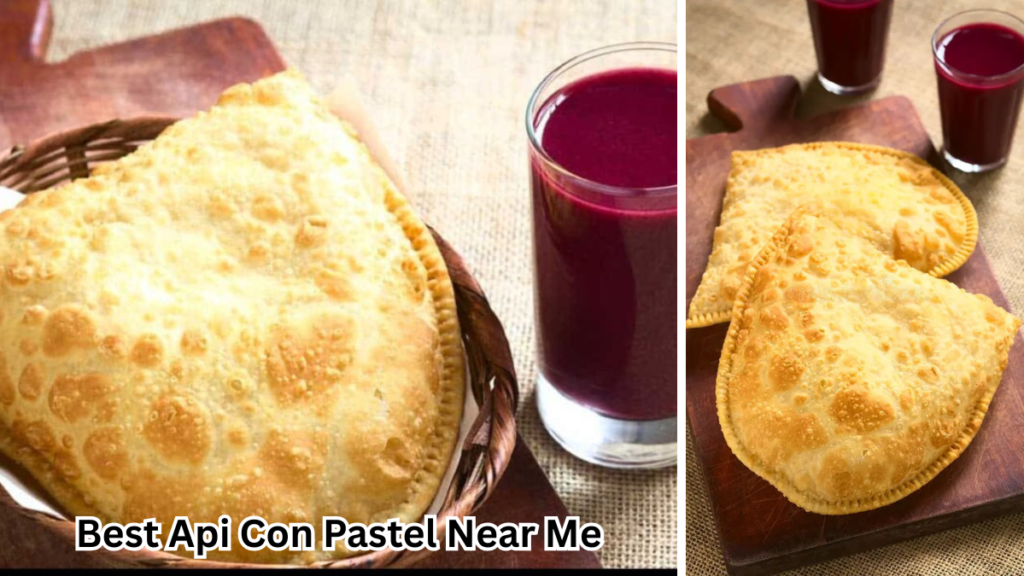

Searching for the best api con pastel near me often starts with a craving, but it quickly becomes a journey into one of Bolivia’s most beloved culinary traditions. Warm, sweet, fragrant, and deeply comforting, api con pastel is more than just a breakfast or snack. It represents family gatherings, local markets, cultural identity, and generations of recipes passed down through time.
For many people, the experience of enjoying a steaming cup of purple or white api alongside a freshly fried pastel creates memories that last a lifetime. The contrast between the rich corn-based drink and the crispy pastry creates a balance of flavors and textures that feels both satisfying and nostalgic.
As international interest in South American cuisine continues to grow, more restaurants, cafés, bakeries, and food vendors are introducing traditional Bolivian specialties to new audiences. This growing popularity has encouraged food lovers everywhere to seek authentic places serving this classic combination.
Understanding what makes a truly exceptional api con pastel can help diners identify quality, authenticity, and value. Whether enjoyed during a cold morning, as a comforting afternoon treat, or during a cultural celebration, this traditional dish continues to win hearts across generations.
Understanding the Origins of Api Con Pastel
Api con pastel has deep roots in Bolivian culinary history. The drink known as api is traditionally prepared from purple corn or white corn and enhanced with spices that create its distinctive aroma and flavor. The accompanying pastel is a fried pastry often filled with cheese, creating a delicious contrast to the sweet beverage.
Throughout Bolivia, api has long been associated with early morning meals. Vendors in markets frequently serve it fresh at dawn, attracting workers, students, and families seeking warmth and nourishment before beginning their day.
Food historians often point to indigenous agricultural traditions as the foundation of api. Corn has been a staple crop throughout the Andean region for centuries, making it a natural ingredient for beverages and meals. Over time, communities developed unique preparation methods that transformed simple ingredients into culturally significant foods.
The pastry component evolved alongside the beverage, eventually creating the iconic pairing recognized today. Together, they represent a balance of sweetness and savory richness that remains popular across diverse regions and generations.
What Makes Api So Special
One reason people search for authentic api is its unique flavor profile. Unlike many breakfast beverages, api delivers richness, complexity, and comforting warmth in every sip.
Purple corn api often features subtle fruity notes along with hints of cinnamon, cloves, and citrus. The resulting drink is thick, smooth, and naturally satisfying. White api offers a slightly different flavor experience, usually milder and creamier while maintaining its traditional character.
The beverage is prepared slowly to allow the ingredients to blend harmoniously. This careful cooking process contributes to the velvety texture that distinguishes excellent api from ordinary corn-based drinks.
Many traditional cooks emphasize patience during preparation. As one Bolivian saying notes:
“Good api cannot be rushed; its flavor grows with time.”
This philosophy reflects the broader cultural importance of preserving traditional cooking methods rather than prioritizing speed or convenience.
The Delicious Appeal of Pastel
While api receives much attention, the pastel plays an equally important role in the overall experience.
Traditional pasteles are made from dough that is rolled thin and fried until golden brown. Many versions contain cheese filling, although regional variations may include different ingredients. The finished pastry should be crispy on the outside while remaining tender inside.
The combination of sweet api and savory cheese-filled pastry creates remarkable harmony. Each bite complements each sip, allowing flavors to enhance one another naturally.
A high-quality pastel typically demonstrates several characteristics:
| Characteristic | Importance |
|---|---|
| Golden color | Indicates proper frying |
| Crispy exterior | Provides texture contrast |
| Soft interior | Improves eating experience |
| Balanced filling | Prevents overpowering flavors |
| Fresh preparation | Ensures maximum quality |
When these elements come together successfully, diners experience the classic pairing that has remained popular for generations.
Why Traditional Preparation Matters
Authenticity remains one of the most important factors when evaluating api con pastel.
Traditional preparation methods often involve grinding corn, carefully blending spices, and cooking ingredients over controlled heat. These techniques require experience and attention to detail.
Restaurants committed to authenticity frequently invest significant effort in preserving these methods. While modern equipment may simplify certain steps, the underlying principles remain unchanged.
The difference becomes noticeable in both flavor and texture. Traditional api tends to possess greater depth and complexity compared to shortcuts that rely heavily on artificial flavoring or pre-packaged ingredients.
Similarly, freshly prepared pastel generally offers superior crispness and freshness. Many enthusiasts consider made-to-order pastries essential for achieving the best possible dining experience.
Finding Authentic Bolivian Flavors
People looking for authentic Bolivian cuisine often prioritize establishments with strong cultural connections.
Family-owned businesses frequently preserve recipes passed through multiple generations. These recipes often include subtle techniques and ingredient combinations unavailable in commercial formulas.
Authentic locations typically focus on consistency and tradition rather than excessive innovation. While creative variations can be enjoyable, many diners appreciate experiencing flavors that closely resemble those found in Bolivia itself.
The atmosphere also contributes to authenticity. Traditional décor, cultural music, and knowledgeable staff can help create a more immersive dining experience.
Many loyal customers return repeatedly because these establishments provide not only food but also a connection to heritage and community.
Key Ingredients Behind Exceptional Quality
Great api con pastel begins with quality ingredients.
Corn serves as the foundation of api. The selection of premium corn varieties significantly influences flavor, color, and texture. Fresh spices further enhance the beverage’s aromatic qualities.
Common ingredients often include:
- Purple or white corn
- Cinnamon
- Cloves
- Sugar
- Water
- Citrus peel
For the pastry, dough quality remains equally important. Fresh cheese, properly balanced dough, and clean frying oil all contribute to superior results.
Ingredient quality affects every stage of preparation. Even small improvements can create noticeable differences in the final product.
Experienced cooks understand that authentic flavor starts with selecting the best available raw materials rather than relying on excessive seasoning to compensate for inferior ingredients.
Cultural Significance Beyond Food
Api con pastel occupies a special place within Bolivian culture.
Families often gather around this meal during holidays, celebrations, and community events. The dish symbolizes hospitality, warmth, and togetherness.
Many immigrants and expatriates seek out traditional api because it evokes powerful memories of home. The aroma alone can transport individuals back to childhood mornings, family kitchens, and local markets.
Food serves as a cultural bridge, connecting generations through shared experiences and traditions.
One traditional sentiment captures this emotional connection:
“A cup of api warms the body, but it also warms the memory.”
Such expressions help explain why the dish remains meaningful even as culinary trends continue to evolve.
Regional Variations Across Bolivia
Different regions have developed unique approaches to preparing api con pastel.
Some communities prefer sweeter versions, while others emphasize spice and complexity. Ingredient availability, climate, and local traditions all influence preparation methods.
Regional differences may include:
- Spice combinations
- Corn varieties
- Sweetness levels
- Pastry thickness
- Cheese selection
These variations enrich the culinary landscape and demonstrate the adaptability of traditional recipes.
Exploring regional styles allows food enthusiasts to appreciate the diversity that exists within a seemingly simple dish.
Even experienced diners often discover new flavor nuances when trying preparations from different communities.
The Growing Global Popularity of Bolivian Cuisine
International interest in Bolivian food has increased significantly in recent years.
Travelers, food bloggers, chefs, and culinary researchers have highlighted traditional dishes that were once relatively unknown outside South America.
This growing visibility has encouraged restaurants worldwide to introduce authentic Bolivian specialties to broader audiences.
The rise of social media has also played a role. Photos of vibrant purple api and golden pastries frequently attract attention due to their visual appeal and cultural significance.
As more people explore global cuisines, traditional foods like api con pastel continue gaining recognition among adventurous diners seeking unique experiences.
How to Identify a Great Serving
Several indicators help distinguish excellent api con pastel from average versions.
The beverage should possess a smooth consistency without excessive thickness or watery texture. Aromas should be noticeable but balanced.
The pastry should arrive fresh and hot. Crispy exterior layers indicate proper frying technique, while a tender interior demonstrates quality preparation.
Presentation also matters. Clean serving dishes, appropriate portion sizes, and careful attention to detail reflect professionalism and pride.
Customers often notice these qualities immediately, even before taking their first sip or bite.
Exceptional establishments understand that every element contributes to the overall dining experience.
Flavor Pairings That Enhance the Experience
Api con pastel pairs well with various complementary foods and beverages.
Many people enjoy adding fresh fruit to create contrast and balance. Citrus flavors often work particularly well due to their ability to brighten rich textures.
Popular accompaniments include:
| Pairing | Benefit |
|---|---|
| Fresh fruit | Adds freshness |
| Coffee | Creates flavor contrast |
| Hot chocolate | Enhances comfort |
| Light pastries | Adds variety |
| Fruit juices | Provides balance |
These combinations can transform a simple meal into a more complete culinary experience.
However, many traditionalists prefer enjoying api con pastel on its own, allowing its distinctive flavors to remain the primary focus.
Breakfast Traditions and Morning Comfort
Breakfast traditions vary around the world, but few are as comforting as api con pastel.
The warm beverage provides energy and satisfaction, while the pastry adds richness and substance. Together, they create a meal capable of sustaining individuals through busy mornings.
In colder regions, the warming qualities of api become especially appreciated. The spices and thick consistency help create a feeling of comfort that many people find irresistible.
This practical functionality contributes to the dish’s enduring popularity.
Even today, countless people begin their mornings with this traditional combination, maintaining a custom that has survived generations of social and cultural change.
Why Fresh Preparation Is Essential
Freshness remains a defining characteristic of quality.
Api prepared hours in advance may lose some of its aromatic complexity. Likewise, pastries left sitting too long often lose their crisp texture.
The best establishments prioritize timing and consistency. Fresh batches ensure customers experience the dish as intended.
Preparation schedules often align with peak demand periods, especially during breakfast hours.
Customers frequently notice the difference between freshly prepared products and items that have been held for extended periods.
This attention to freshness helps preserve authenticity while enhancing customer satisfaction.
Modern Interpretations and Creative Twists
Contemporary chefs occasionally introduce creative interpretations of traditional recipes.
Some experiment with alternative fillings, specialty spices, or presentation styles. Others incorporate local ingredients while maintaining respect for traditional foundations.
Innovation can attract new audiences and generate excitement. However, successful modern adaptations typically preserve the essential character that defines api con pastel.
Balance remains important. Excessive modification risks losing the qualities that made the dish beloved in the first place.
The most effective innovations complement tradition rather than replacing it.
Supporting Local Cultural Food Businesses
Choosing authentic cultural food establishments supports communities and preserves culinary heritage.
Small businesses often play a critical role in maintaining traditional recipes and cooking techniques. Their efforts help ensure future generations can continue enjoying meaningful cultural foods.
Supporting these businesses also encourages diversity within local dining scenes.
Customers benefit through access to unique flavors and experiences that large chains may not offer.
This relationship creates mutual value, strengthening both communities and culinary traditions.
Nutritional Considerations
Like many traditional foods, api con pastel offers both enjoyment and nourishment.
Corn provides carbohydrates that support energy needs, while cheese contributes protein and calcium. The beverage’s warm nature can also promote a feeling of satiety.
Nutritional values vary depending on ingredients and portion sizes. Preparation methods influence calorie content and overall dietary impact.
Moderation remains important, as with any indulgent food.
When enjoyed as part of a balanced lifestyle, api con pastel can fit comfortably into many eating patterns while delivering cultural and culinary satisfaction.
The Experience of Sharing Traditional Food
Food often creates connections between people, and api con pastel exemplifies this principle beautifully.
Families share stories over breakfast tables. Friends gather at local cafés. Communities celebrate cultural events together.
These moments transform meals into meaningful experiences.
Traditional foods frequently endure because they fulfill emotional needs in addition to physical hunger. They create opportunities for conversation, memory-making, and cultural continuity.
Api con pastel continues serving this role for countless people around the world.
Appreciating the Craft Behind Every Cup and Pastry
The preparation of api con pastel involves skill, patience, and experience.
From selecting ingredients to managing cooking temperatures, each step influences the final outcome.
Mastering these techniques often requires years of practice. Experienced cooks learn to recognize subtle signs indicating proper consistency, texture, and flavor development.
This craftsmanship deserves recognition.
Behind every excellent serving stands a tradition of knowledge accumulated through generations of dedication and culinary expertise.
Conclusion
Finding the best api con pastel near me is about much more than satisfying a craving. It is an opportunity to explore a rich culinary tradition rooted in history, culture, craftsmanship, and community. From the comforting warmth of freshly prepared api to the irresistible crispness of a golden pastel, every element contributes to a memorable experience.
Whether enjoyed at a traditional market, a family-owned café, or a restaurant dedicated to authentic Bolivian cuisine, this beloved combination continues to captivate food lovers around the world. Its enduring appeal comes from its ability to deliver comfort, flavor, and cultural connection in every serving. As appreciation for global cuisine continues growing, api con pastel remains a shining example of how traditional foods can preserve heritage while welcoming new generations of enthusiasts.
FAQ
What is api con pastel?
Api con pastel is a traditional Bolivian meal consisting of a warm corn-based beverage called api and a fried pastry known as pastel. The drink is typically made from purple or white corn and flavored with spices, while the pastry is often filled with cheese.
Why do people search for the best api con pastel near me?
People often search for the best api con pastel near me because they want authentic flavors, fresh preparation, and a traditional experience that reflects Bolivian culinary heritage.
Is api sweet or savory?
Api is generally sweet and aromatic, featuring ingredients such as cinnamon, cloves, and sugar. The accompanying pastel is usually savory, creating a balanced combination of flavors.
When is api con pastel traditionally eaten?
Api con pastel is most commonly enjoyed as a breakfast meal or morning snack. It is especially popular during cooler weather because of its warming qualities.
What makes a high-quality pastel?
A high-quality pastel should have a crispy golden exterior, a tender interior, fresh ingredients, and balanced filling. Fresh preparation significantly improves texture and flavor.
Can api con pastel be enjoyed outside Bolivia?
Yes. As Bolivian cuisine gains international recognition, many restaurants and specialty cafés around the world now serve traditional api con pastel, allowing more people to experience this beloved dish.
What flavors pair well with api con pastel?
Fresh fruit, coffee, hot chocolate, and light pastries often pair well with api con pastel. These accompaniments can complement the dish while preserving its traditional character.
Read also : Best calçots with romesco near me: A complete guide to authentic Catalan flavor