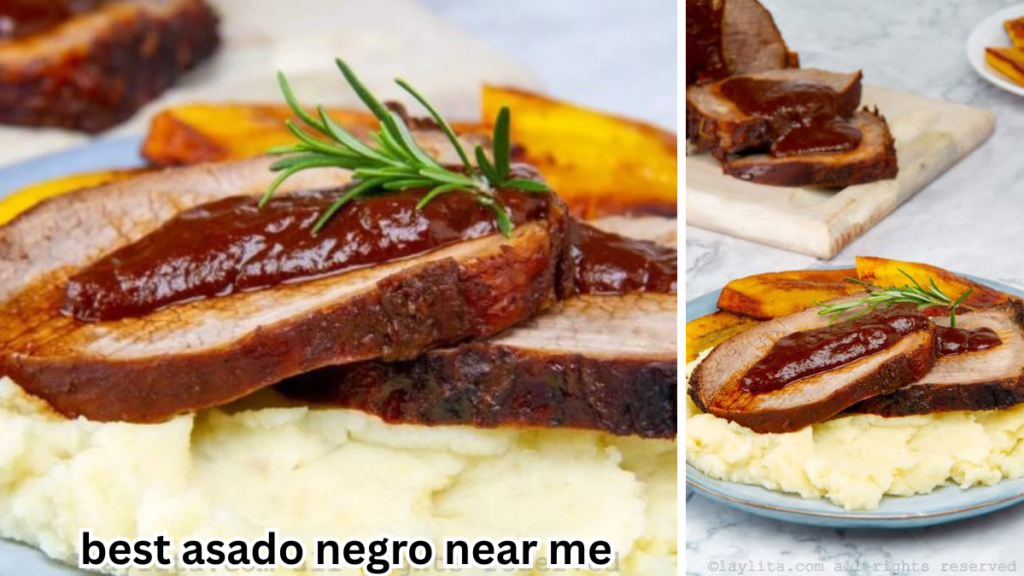

When people search for the best asado negro near me, they are often looking for more than just a meal. They are searching for a culinary experience rooted in tradition, family gatherings, and the rich flavors of Venezuelan cuisine. Asado negro is one of the most treasured dishes in Venezuela, known for its dark caramelized exterior, tender beef, and sweet-savory sauce that creates a truly unforgettable dining experience.
Unlike many beef dishes that rely heavily on spices, asado negro achieves its distinctive flavor through patience and technique. The meat is slowly cooked until it becomes incredibly tender while developing a deep, rich color that gives the dish its famous name. The result is a meal that feels elegant enough for celebrations while remaining comforting enough for family dinners.
The growing popularity of Latin American cuisine has introduced more people around the world to this remarkable dish. Restaurants specializing in Venezuelan food, Latin fusion cuisine, and traditional South American cooking now feature asado negro on their menus, making it easier than ever to enjoy authentic flavors close to home.
Whether you are discovering Venezuelan cuisine for the first time or looking to satisfy a craving for a familiar favorite, understanding what makes great asado negro can help you find an exceptional dining experience. This guide explores everything from its origins and preparation methods to the qualities that separate an average plate from an outstanding one.
Understanding the Rich History of Asado Negro
Asado negro occupies a special place in Venezuelan culinary heritage. For generations, families have prepared this dish for holidays, birthdays, weddings, and other significant occasions. The recipe has been passed down through family traditions, with each household adding its own subtle touches while preserving the essence of the dish.
The name translates roughly to “black roast,” referring to the dark exterior that develops during cooking. Despite its appearance, the dish is not burned. Instead, the color comes from carefully caramelized sugar that creates a rich foundation for the sauce. This process requires attention and skill, making asado negro a dish that showcases culinary craftsmanship.
Over time, the recipe evolved alongside Venezuela’s diverse cultural influences. European cooking techniques blended with local ingredients and traditions, resulting in a dish that represents both history and innovation. Today, it remains one of the country’s most iconic foods and an important symbol of Venezuelan identity.
Its popularity has spread beyond Venezuela, allowing food enthusiasts worldwide to appreciate its unique flavor profile. Many chefs now recognize it as one of South America’s most distinctive beef preparations.
What Makes Asado Negro Unique Among Beef Dishes
Many cultures have their own version of slow-cooked beef, but asado negro stands apart because of its remarkable balance of flavors. It combines sweetness, richness, acidity, and savory depth in a way that feels both complex and comforting.
The preparation begins with caramelized sugar, which forms the foundation of the dish’s signature color and flavor. The beef is then seared and slowly braised in a mixture that often includes red wine, broth, onions, garlic, and seasonings. During the cooking process, the ingredients transform into a luxurious sauce.
Unlike traditional barbecue or roasted beef, asado negro focuses on tenderness and sauce development. Every slice should be moist, flavorful, and easy to cut with a fork. The sauce should cling gently to the meat rather than overwhelm it.
This combination of texture and flavor creates a memorable meal that appeals to both adventurous eaters and those seeking comfort food. It is a dish that rewards patience and careful preparation.
Characteristics of Exceptional Asado Negro
Finding outstanding asado negro requires knowing what to look for. The best versions of the dish share several key characteristics that distinguish them from ordinary preparations.
First, the meat should be exceptionally tender. Long cooking times allow the beef fibers to break down gradually, creating a texture that melts in the mouth. Tough or dry meat indicates improper cooking techniques.
Second, the sauce should possess depth and complexity. It should not taste simply sweet or salty. Instead, layers of flavor should emerge with each bite, revealing notes of caramelization, beef richness, aromatics, and subtle acidity.
Third, the appearance should be visually appealing. The beef should have a dark exterior while maintaining juicy, flavorful slices inside. The sauce should appear glossy and rich rather than thin or watery.
Finally, balance is essential. Great asado negro never allows one flavor to dominate. Sweetness supports the dish without overpowering the savory components.
Traditional Ingredients Used in Authentic Recipes
Authentic asado negro relies on relatively simple ingredients, but quality and technique play critical roles in the final result.
The most important ingredient is the beef. Many traditional recipes use eye round or similar cuts that become tender through slow cooking. These cuts absorb flavors beautifully while maintaining structure during extended braising.
Sugar serves as another essential component. Carefully caramelized sugar creates the dark color and subtle sweetness that define the dish. This step requires precision because overcooking can introduce bitterness.
Additional ingredients often include onions, garlic, beef broth, red wine, bell peppers, and seasonings. Some family recipes incorporate regional variations, adding unique touches that reflect local traditions.
The beauty of asado negro lies in how these modest ingredients transform into something extraordinary through time and technique.
How Restaurants Create Memorable Dining Experiences
Restaurants known for exceptional Venezuelan cuisine understand that asado negro is more than a recipe. It represents hospitality, culture, and tradition.
Many successful establishments dedicate significant time to preparation. Rather than rushing the process, chefs allow the meat to cook slowly until it reaches ideal tenderness. This commitment to quality often distinguishes outstanding restaurants from average ones.
Presentation also contributes to the dining experience. A beautifully plated serving accompanied by traditional side dishes creates a sense of authenticity and care. Guests appreciate attention to detail, especially when exploring cultural cuisine.
The atmosphere further enhances enjoyment. Warm hospitality, traditional décor, and knowledgeable staff help diners connect with the cultural significance of the meal. Together, these elements create lasting impressions that encourage repeat visits.
Popular Side Dishes Served with Asado Negro
One of the pleasures of enjoying asado negro is pairing it with complementary side dishes. Traditional accompaniments enhance the meal while allowing the beef to remain the centerpiece.
| Side Dish | Description | Why It Works |
|---|---|---|
| White Rice | Fluffy steamed rice | Absorbs the rich sauce beautifully |
| Mashed Potatoes | Creamy and smooth texture | Balances the savory flavors |
| Fried Plantains | Sweet caramelized slices | Complements the beef’s sweetness |
| Black Beans | Traditional Venezuelan staple | Adds earthy depth |
| Salad | Fresh vegetables and greens | Provides contrast and freshness |
| Yuca | Starchy root vegetable | Creates a hearty meal |
These accompaniments contribute texture, flavor contrast, and cultural authenticity to the overall dining experience.
The Growing Popularity of Venezuelan Cuisine
In recent years, Venezuelan cuisine has gained increasing recognition around the world. Food enthusiasts have embraced traditional dishes that showcase bold flavors and comforting preparations.
Restaurants featuring Venezuelan specialties often attract diners seeking authentic cultural experiences. Dishes such as arepas, pabellón criollo, tequeños, and asado negro introduce guests to a diverse culinary tradition rich in history and flavor.
Social media has also played a significant role in expanding awareness. Food photography, restaurant reviews, and travel content have exposed wider audiences to Venezuelan cooking traditions.
As interest continues to grow, more people searching for the best asado negro near me discover restaurants dedicated to preserving and celebrating these culinary traditions.
How to Evaluate Restaurant Quality
Choosing where to enjoy asado negro involves more than reading a menu description. Several indicators can help identify restaurants committed to authenticity and quality.
Reviews often provide valuable insights. Diners frequently comment on tenderness, flavor balance, portion sizes, and overall satisfaction. Consistently positive feedback can signal reliable quality.
Menu specialization also matters. Restaurants focused on Venezuelan or South American cuisine typically possess greater expertise in preparing traditional dishes. Their chefs often understand the nuances required for authentic results.
Fresh ingredients represent another important factor. Quality establishments prioritize ingredient sourcing because excellent raw materials contribute directly to superior flavor.
Service quality further influences the experience. Friendly, knowledgeable staff can answer questions, recommend pairings, and enhance appreciation for the dish.
The Art of Slow Cooking
One reason asado negro remains so beloved is the transformative power of slow cooking. Time allows ingredients to interact, flavors to deepen, and textures to soften.
Slow cooking breaks down connective tissue within the beef, creating tenderness without sacrificing moisture. Simultaneously, the sauce develops complexity as ingredients blend and concentrate.
Professional chefs often describe slow cooking as an exercise in patience. Every stage contributes to the final result, from caramelizing sugar correctly to maintaining appropriate cooking temperatures.
As one Venezuelan chef famously noted:
“The secret of asado negro is not hidden in exotic ingredients. It is hidden in patience.”
This philosophy captures the essence of the dish and explains why properly prepared versions stand out so dramatically.
Flavor Profile and Sensory Experience
The sensory experience of eating asado negro extends beyond taste alone. Aroma, texture, and appearance all contribute to its appeal.
The aroma combines caramelized sweetness with savory richness. As the dish arrives at the table, notes of slow-cooked beef, onions, and subtle seasonings create anticipation.
Texture plays an equally important role. The meat should feel tender and succulent while the sauce adds smoothness and body. Together, they create a satisfying mouthfeel.
Visually, the dish appears elegant and inviting. The dark glaze signals depth of flavor while contrasting beautifully with traditional accompaniments such as white rice or mashed potatoes.
These sensory elements work together to create a memorable dining experience.
Regional Variations and Family Traditions
Although core principles remain consistent, asado negro recipes vary among regions and families. These differences contribute to the dish’s richness as a cultural tradition.
Some recipes emphasize sweetness, while others highlight savory characteristics. Certain families include wine, while others rely primarily on broth and aromatics. Small variations in seasoning can produce noticeable differences in flavor.
These adaptations reflect generations of experimentation and personal preference. Rather than viewing one version as correct, many culinary enthusiasts appreciate the diversity of approaches.
Family traditions often hold deep emotional significance. Recipes passed from grandparents to grandchildren become symbols of heritage and continuity, preserving cultural identity through food.
Why Food Lovers Seek Authentic Experiences
Modern diners increasingly value authenticity when exploring international cuisines. They seek meals that reflect genuine traditions rather than heavily modified interpretations.
Authentic asado negro provides insight into Venezuelan culture, history, and family life. Every serving tells a story about generations of cooks who refined and preserved the recipe.
This cultural connection adds meaning to the dining experience. Guests feel they are participating in something larger than a simple meal.
Many travelers and food enthusiasts describe authentic cuisine as a form of cultural education. Through flavor and tradition, they gain deeper appreciation for communities and histories different from their own.
Pairing Beverages with Asado Negro
Selecting appropriate beverages can enhance the enjoyment of asado negro. The dish’s rich flavor profile pairs well with several options.
Red wines often complement the savory depth of the beef. Varieties with moderate tannins and fruit-forward characteristics work particularly well because they balance sweetness and richness.
For non-alcoholic options, sparkling water provides palate-cleansing refreshment between bites. Fruit juices and traditional Latin American beverages can also create enjoyable combinations.
The key is balance. Beverages should support the dish’s complexity without competing for attention.
Thoughtful pairings elevate the meal and create a more complete dining experience.
Cultural Significance Beyond the Dinner Table
Asado negro represents more than culinary excellence. It serves as a symbol of celebration, family connection, and cultural pride.
During holidays and special occasions, families gather around tables where traditional foods play central roles. These meals create memories that endure for generations.
Food often functions as a bridge between past and present. Preparing cherished recipes allows families to honor ancestors while sharing traditions with younger generations.
In this sense, asado negro embodies values extending beyond flavor. It reflects community, continuity, and cultural resilience.
As one saying among Venezuelan families suggests:
“Every slice carries a memory, and every meal creates a new one.”
This sentiment explains why the dish remains deeply meaningful to so many people.
Signs of Freshly Prepared Asado Negro
Fresh preparation significantly influences quality. Diners who understand key indicators can better recognize exceptional versions of the dish.
Freshly prepared asado negro typically features vibrant aromas and a glossy sauce. The beef appears moist and tender rather than dry or overcooked.
Flavor should feel integrated rather than disconnected. Individual ingredients contribute to a unified whole, demonstrating careful cooking and sufficient braising time.
Texture offers another clue. Properly cooked beef should separate easily while maintaining structural integrity. Excessively firm or mushy meat suggests preparation issues.
Restaurants committed to traditional methods often excel in these areas, delivering consistently satisfying results.
Tips for Finding Outstanding Local Restaurants
Searching for the best asado negro near me becomes easier when focusing on a few practical considerations.
Local communities often provide valuable recommendations. Food enthusiasts frequently share experiences and highlight restaurants known for authenticity.
Examining menus can reveal useful clues. Establishments featuring a broad selection of traditional Venezuelan dishes often demonstrate deeper culinary expertise.
Photographs posted by customers may showcase presentation quality and portion sizes. Visual evidence can help set expectations before visiting.
Ultimately, the best experiences usually combine excellent food, welcoming service, and respect for tradition.
The Future of Traditional Venezuelan Cuisine
As global interest in international food continues to expand, traditional Venezuelan dishes are finding new audiences. Chefs, restaurateurs, and culinary advocates play important roles in preserving these traditions while introducing them to broader communities.
Younger generations increasingly embrace cultural heritage through cooking. Social media, culinary schools, and cultural festivals help maintain awareness of classic recipes and preparation methods.
At the same time, innovation continues. Some chefs experiment with modern presentations while respecting traditional flavors. These creative approaches can attract new diners without compromising authenticity.
The future appears bright for dishes like asado negro, which combine cultural significance, culinary craftsmanship, and universal appeal.
Conclusion
Finding the best asado negro near me is about discovering a dish that represents the heart of Venezuelan cuisine. With its tender slow-cooked beef, rich caramelized sauce, and deep cultural roots, asado negro offers an experience that extends far beyond ordinary dining.
The finest versions showcase patience, technique, and respect for tradition. Every element—from the carefully caramelized sugar to the perfectly braised beef—contributes to a meal that feels both comforting and sophisticated.
As Venezuelan cuisine continues to gain international recognition, more diners have opportunities to experience this remarkable dish. Whether enjoyed at a family-owned restaurant, a traditional Venezuelan eatery, or a special cultural celebration, asado negro remains a testament to the power of food to bring people together.
For anyone seeking authentic flavors, meaningful culinary traditions, and unforgettable meals, asado negro deserves a place at the top of the list.
FAQ
What is asado negro?
Asado negro is a traditional Venezuelan beef dish prepared through slow cooking and caramelization. It features tender beef served with a rich, dark sauce created from caramelized sugar, broth, aromatics, and seasonings. The dish is considered one of Venezuela’s most iconic culinary specialties.
Why do people search for the best asado negro near me?
People often search for the best asado negro near me because they want authentic Venezuelan cuisine and high-quality preparation. Since the dish requires skill and patience, restaurant quality can vary significantly, making it worthwhile to seek trusted establishments.
What does asado negro taste like?
Asado negro offers a balanced combination of sweet and savory flavors. The caramelized sugar contributes subtle sweetness while the beef, broth, onions, and seasonings provide depth and richness. The overall flavor is complex, comforting, and highly satisfying.
What side dishes are commonly served with asado negro?
Traditional accompaniments include white rice, mashed potatoes, black beans, fried plantains, yuca, and fresh salads. These sides complement the rich sauce and create a complete meal.
Is asado negro spicy?
Traditional asado negro is generally not spicy. The focus is on sweetness, savory richness, and slow-cooked depth rather than heat. Some restaurants may add their own variations, but authentic recipes typically emphasize balance over spiciness.
How is authentic asado negro prepared?
Authentic preparation involves caramelizing sugar, searing the beef, and slowly braising it for several hours. The long cooking process allows the meat to become tender while creating a rich sauce that defines the dish.
What makes restaurant-quality asado negro special?
Restaurant-quality asado negro typically features expertly cooked beef, balanced flavors, a glossy sauce, and careful presentation. Skilled chefs understand the importance of patience and technique, resulting in a superior dining experience.
Best Api Con Pastel Near Me: The Complete Guide to Bolivia’s Most Comforting Traditional Meal