
There are few pastries in the world that combine history, tradition, texture, and flavor as beautifully as an ensaimada. Light, fluffy, delicately sweet, and instantly recognizable because of its spiral shape, this iconic pastry has won the hearts of food lovers across generations. Whether enjoyed with coffee in the morning, served as an afternoon treat, or shared during special celebrations, the ensaimada continues to be one of the most cherished baked goods in many cultures.
Searching for the best ensaimada near me often leads people down a delicious path filled with artisan bakeries, family-owned pastry shops, traditional recipes, and modern interpretations. While countless bakeries claim to offer exceptional versions, understanding what makes an ensaimada truly outstanding helps separate average pastries from unforgettable ones.
The appeal of ensaimada goes beyond its appearance. Every layer tells a story of craftsmanship, patience, and baking expertise. A properly made ensaimada delivers a soft interior, delicate strands of dough, rich buttery notes, and a satisfying texture that feels both airy and indulgent.
This comprehensive guide explores everything worth knowing about ensaimada, including its history, ingredients, regional variations, baking methods, flavor profiles, serving suggestions, and how to identify exceptional quality when searching locally.
Understanding the Origins of Ensaimada
The ensaimada has a fascinating culinary heritage that stretches back centuries. It is most famously associated with Mallorca, a beautiful Mediterranean island known for its rich food traditions and artisanal baking culture. Over time, migration and cultural exchange helped spread this pastry to different parts of the world.
Traditional recipes were carefully passed down through generations, preserving techniques that remain important today. While modern bakeries may introduce creative fillings and toppings, the core identity of the pastry remains rooted in simplicity and craftsmanship.
The name itself reflects the pastry’s historical preparation methods. Traditional versions relied on rich fats and carefully worked dough to create the signature texture that people continue to love. This commitment to quality ingredients remains one of the defining characteristics of a great ensaimada.
As international interest in authentic baked goods has grown, ensaimada has earned recognition far beyond its place of origin. Food enthusiasts now seek out specialty bakeries that honor traditional methods while embracing contemporary tastes.
Why Ensaimada Has Become a Global Favorite
One reason ensaimada enjoys worldwide popularity is its remarkable versatility. Unlike many pastries that fit only one occasion, an ensaimada works equally well for breakfast, dessert, snacks, and celebrations.
Its texture contributes significantly to its appeal. A great ensaimada feels light rather than heavy, making it satisfying without becoming overwhelming. The airy structure encourages repeated enjoyment, whether paired with coffee, tea, hot chocolate, or fresh fruit.
Many people also appreciate the balance of sweetness. While desserts can sometimes be excessively sugary, traditional ensaimadas often maintain a more restrained sweetness that allows the dough’s flavor to shine.
Another factor is nostalgia. For many families, ensaimadas represent childhood memories, holiday traditions, and special gatherings. These emotional connections continue to strengthen the pastry’s popularity across generations.
Food travelers frequently include local bakeries on their itineraries specifically to sample regional pastry specialties. As a result, searches for the best ensaimada near me continue growing among both locals and visitors seeking authentic culinary experiences.
The Essential Ingredients Behind a Great Ensaimada
Creating a memorable ensaimada begins with high-quality ingredients. While recipes vary, several foundational components consistently appear in traditional preparations.
Flour serves as the structural backbone of the pastry. Skilled bakers carefully select flour that provides enough strength to develop elasticity while maintaining tenderness.
Yeast plays a critical role in achieving the pastry’s airy texture. Proper fermentation allows the dough to rise gradually, developing flavor and structure over time.
Sugar contributes sweetness while also supporting browning and fermentation. The amount used can significantly affect the final taste profile.
Eggs enrich the dough and help create the soft texture associated with premium ensaimadas. They also contribute to color and flavor.
Fat remains one of the defining elements. Traditional recipes rely on carefully incorporated fats to create delicate layers and the characteristic spiral appearance.
Water and milk help hydrate the dough while influencing texture and flavor. Bakers often adjust ratios based on climate, humidity, and desired results.
Each ingredient may appear simple individually, but the magic emerges through precise balancing and expert technique.
What Makes an Ensaimada Truly Exceptional
Not every ensaimada delivers the same experience. Certain qualities consistently distinguish outstanding examples from ordinary ones.
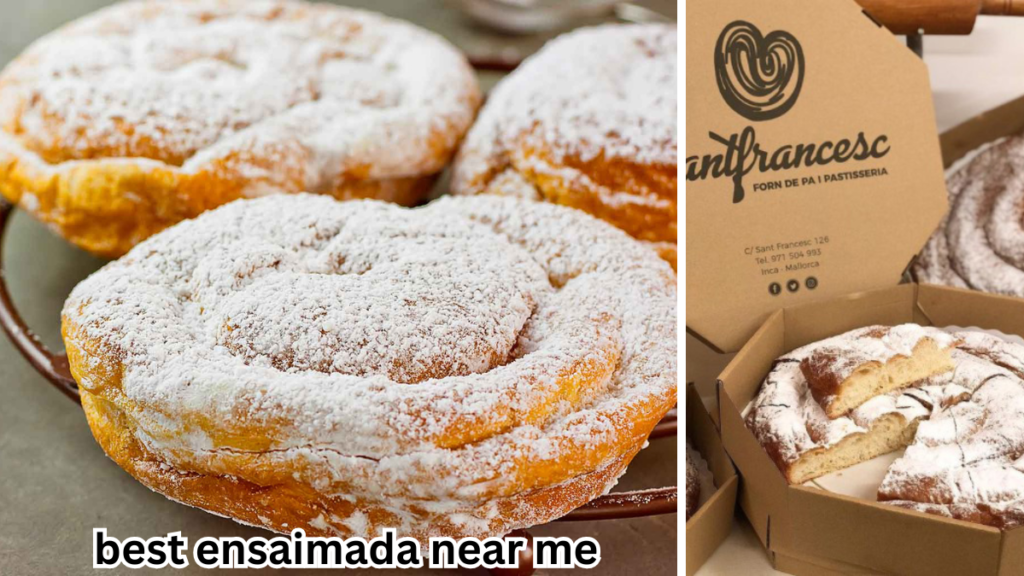
The first indicator is appearance. A quality ensaimada should feature a clearly defined spiral shape with evenly developed layers. The surface should look inviting and properly baked rather than overly dark or pale.
Texture represents another crucial factor. The interior should feel soft, light, and fluffy while maintaining enough structure to avoid collapsing.
Aroma often reveals quality before the first bite. Freshly baked ensaimadas release subtle notes of yeast, butter, sweetness, and baked dough that create immediate anticipation.
Flavor should feel balanced. Sweetness, richness, and dough complexity should complement one another rather than compete.
Freshness also matters significantly. Ensaimadas are at their finest when enjoyed close to baking time, allowing consumers to appreciate their ideal texture and aroma.
Experienced pastry enthusiasts often note that the best versions seem almost effortless despite requiring tremendous skill to produce.
Traditional Versus Modern Ensaimada Styles
As culinary trends evolve, ensaimada makers continue experimenting with flavors and presentations. This has created an interesting balance between tradition and innovation.
Traditional ensaimadas focus on simplicity. They emphasize dough quality, fermentation, and texture rather than elaborate fillings or decorations. Powdered sugar often provides the primary finishing touch.
Modern bakeries frequently introduce creative variations. Popular additions include chocolate, cream, fruit preserves, custard, caramel, and specialty spreads.
Some pastry chefs incorporate seasonal ingredients to create limited-edition offerings that reflect local produce and festive occasions.
While innovation attracts attention, many enthusiasts still believe the finest test of a bakery’s skill lies in its classic version. Without elaborate fillings to mask imperfections, the quality of the dough becomes fully visible.
The most respected bakeries often excel at both approaches, honoring tradition while embracing creativity.
Popular Ensaimada Varieties Around the World
Different regions have adapted ensaimada traditions to reflect local tastes and ingredients. These variations contribute to the pastry’s enduring popularity.
Plain ensaimadas remain a timeless favorite. Their simplicity highlights craftsmanship and ingredient quality.
Cream-filled versions add richness and indulgence. Smooth fillings create a luxurious contrast to the airy dough.
Chocolate-filled varieties appeal to those who enjoy deeper sweetness and decadent flavors.
Fruit-based options introduce freshness and complexity. Popular fillings include berry jams, tropical fruits, and citrus preserves.
Cheese-filled interpretations provide a balance between sweet and savory elements, creating unique flavor experiences.
Special occasion ensaimadas may feature decorative toppings, premium ingredients, or oversized presentations designed for sharing.
Each variation offers a different perspective on the pastry while maintaining the signature spiral identity.
Comparing Different Types of Ensaimada
| Type | Texture | Sweetness Level | Popular Filling | Best Occasion |
|---|---|---|---|---|
| Plain Ensaimada | Light and fluffy | Mild | None | Everyday breakfast |
| Cream-Filled | Soft and rich | Medium | Pastry cream | Dessert |
| Chocolate-Filled | Moist and indulgent | High | Chocolate spread | Special treat |
| Cheese Ensaimada | Balanced | Mild to medium | Cream cheese | Snack or brunch |
| Fruit-Filled | Tender and fresh | Medium | Fruit preserves | Afternoon tea |
| Celebration Style | Varies | Medium to high | Mixed fillings | Parties and gatherings |
This comparison highlights how different versions cater to varying preferences while preserving the pastry’s fundamental character.
How Bakeries Create the Signature Spiral Shape
The spiral shape represents one of the most recognizable features of an ensaimada. Achieving it requires both skill and patience.
After preparing and fermenting the dough, bakers roll it into a thin sheet. Fat is then distributed carefully across the surface to encourage layering.
The dough is rolled into a long rope-like structure before being coiled into a spiral. This stage requires precision to maintain consistency.
Additional proofing allows the dough to expand while preserving its shape. Proper timing is critical because under-proofing and over-proofing can negatively affect texture.
Baking transforms the spiral into a golden masterpiece with visible layers and airy structure. The result is both visually appealing and texturally distinctive.
As one experienced baker famously said, “The secret is not speed. The secret is giving the dough the time it deserves.”
The Importance of Freshness When Choosing Ensaimada
Freshness can dramatically influence the overall experience. Even an expertly prepared pastry loses some of its magic if stored improperly or kept too long.
Freshly baked ensaimadas showcase their ideal aroma, softness, and flavor complexity. The layers remain delicate, and the texture feels exceptionally light.
Older pastries may become dry, dense, or less aromatic. While still enjoyable, they rarely deliver the same level of satisfaction.
Many respected bakeries schedule multiple baking sessions throughout the day to ensure customers receive the freshest possible products.
When evaluating local options, observing bakery turnover can provide valuable insight. Establishments with consistently high customer demand often replenish inventory frequently.
People searching for the best ensaimada near me frequently discover that freshness alone can elevate a good pastry into a memorable one.
Pairing Ensaimada With Beverages
Choosing the right beverage can enhance the enjoyment of an ensaimada considerably.
Coffee remains one of the most popular companions. The slight bitterness of coffee complements the pastry’s subtle sweetness beautifully.
Espresso offers an intense contrast that many pastry lovers appreciate. The richness of the drink highlights the delicate flavors within the dough.
Tea provides a lighter pairing. Black teas, green teas, and herbal blends each create unique flavor interactions.
Hot chocolate adds indulgence, particularly during cooler weather. The combination feels comforting and satisfying.
Milk remains a classic choice, especially for younger consumers or those who prefer a simple pairing.
Fresh fruit juices can also work surprisingly well, introducing brightness that balances richer pastry variations.
Regional Baking Traditions and Their Influence
Regional baking traditions continue shaping how ensaimadas are prepared and enjoyed. Climate, ingredient availability, cultural preferences, and family recipes all contribute to local interpretations.
Some regions emphasize larger pastries designed for sharing, while others focus on individual portions suitable for personal enjoyment.
Ingredient choices may vary depending on agricultural traditions and consumer preferences. Certain areas favor richer doughs, while others prioritize lighter textures.
Family-owned bakeries often preserve techniques that have remained unchanged for decades. These businesses frequently serve as guardians of culinary heritage.
Modern pastry shops, meanwhile, introduce innovative approaches that appeal to younger audiences seeking fresh experiences.
Together, these influences ensure the continued evolution of ensaimada culture while preserving its historical roots.
Signs of a High-Quality Bakery
Finding outstanding ensaimadas often begins with identifying exceptional bakeries.
Cleanliness and organization typically indicate professionalism and attention to detail. Well-maintained bakeries tend to apply similar care to their products.
Visible baking activity can be encouraging. Seeing fresh pastries emerge from the oven often signals strong commitment to quality.
Aroma provides another useful clue. The smell of freshly baked dough and pastries frequently reflects active production.
Customer loyalty can also reveal valuable information. Establishments with repeat visitors often earn their reputation through consistency.
Knowledgeable staff who understand ingredients, preparation methods, and flavor profiles further enhance confidence in product quality.
Many consumers searching for the best ensaimada near me ultimately discover that the bakery’s overall standards matter just as much as the pastry itself.
How Ensaimada Fits Into Modern Food Culture
Modern food culture increasingly celebrates authenticity, craftsmanship, and heritage recipes. Ensaimada aligns perfectly with these values.
Consumers today often seek products with stories behind them. They appreciate understanding where foods originate and how they are made.
Artisan bakeries have embraced this trend by highlighting traditional techniques and ingredient sourcing practices.
Social media has further boosted awareness. Beautiful spiral pastries photograph exceptionally well, encouraging sharing and discovery.
Food tourism also contributes to growing interest. Travelers frequently search for iconic local specialties and memorable bakery experiences.
As appreciation for handcrafted baked goods continues expanding, ensaimada remains positioned as both a traditional treasure and a contemporary favorite.
Nutritional Considerations and Enjoyment
Like many pastries, ensaimadas are best enjoyed as part of a balanced lifestyle. Their ingredients provide carbohydrates, fats, and energy while delivering satisfying flavor and texture.
Portion sizes vary considerably among bakeries. Some versions are intentionally modest, while others are designed for sharing.
Filled varieties typically contain additional calories due to creams, chocolates, or other ingredients.
Consumers seeking moderation often enjoy smaller portions alongside fruit, coffee, or tea.
The pleasure derived from high-quality baked goods extends beyond nutrition alone. Cultural significance, sensory enjoyment, and social connection all contribute to the overall experience.
Thoughtful enjoyment often proves more satisfying than excessive consumption.
Why Artisan Bakeries Often Produce Better Results
Artisan bakeries typically focus on quality rather than mass production. This philosophy can significantly influence the final product.
Longer fermentation times allow flavors to develop naturally. While time-consuming, this process often improves texture and complexity.
Smaller production batches enable greater attention to detail. Bakers can monitor dough behavior more carefully and make necessary adjustments.
Premium ingredients further enhance results. High-quality flour, eggs, and fats contribute directly to flavor and texture.
Hand-shaping techniques preserve individuality and craftsmanship that automated systems may struggle to replicate.
For many enthusiasts, artisan establishments consistently provide the most rewarding experiences when searching for exceptional pastries.
Seasonal Trends in Ensaimada Offerings
Seasonality influences bakery menus throughout the year. Creative pastry chefs often adapt their offerings to reflect changing ingredients and celebrations.
Spring may bring fruit-inspired fillings featuring berries and citrus flavors.
Summer often highlights tropical ingredients that add freshness and brightness.
Autumn encourages richer profiles incorporating spices, caramel notes, and comforting flavors.
Winter celebrations frequently inspire premium versions featuring festive decorations and luxurious fillings.
Limited seasonal releases create excitement among regular customers while showcasing bakery creativity.
These rotating offerings ensure that ensaimada culture remains dynamic and engaging throughout the year.
Cultural Significance Beyond the Bakery
Ensaimadas represent more than food. They often serve as symbols of hospitality, family, celebration, and cultural identity.
Many households associate them with holidays, birthdays, and important milestones. Sharing pastries becomes a meaningful ritual that strengthens relationships.
Communities frequently feature local bakeries as gathering places where people connect over food and conversation.
Cultural festivals sometimes highlight traditional baked goods as expressions of regional heritage.
These deeper connections help explain why ensaimadas remain beloved despite changing culinary trends.
Food may nourish the body, but traditions like these also nourish communities.
The Growing Popularity of Gourmet Pastries
The broader rise of gourmet pastry culture has benefited ensaimadas considerably. Consumers increasingly appreciate handcrafted products that prioritize quality and authenticity.
Specialty bakeries now compete not only on flavor but also on storytelling, presentation, and customer experience.
Educational content about baking techniques has expanded public appreciation for artisanal craftsmanship.
Consumers are becoming more informed about fermentation, ingredient sourcing, and traditional preparation methods.
This growing knowledge encourages higher expectations and rewards bakeries that consistently deliver excellence.
As a result, searches for the best ensaimada near me often lead consumers toward establishments dedicated to preserving and elevating pastry traditions.
Finding Value Beyond Price
Price alone rarely determines pastry quality. Some affordable bakeries produce exceptional ensaimadas through experience and efficient operations.
Likewise, premium pricing does not automatically guarantee superior results.
Evaluating value involves considering freshness, ingredient quality, craftsmanship, portion size, and overall enjoyment.
A memorable pastry experience often feels worthwhile regardless of slight price differences.
Many consumers discover favorite bakeries through recommendations, repeat visits, and personal taste preferences rather than price comparisons.
Ultimately, true value comes from satisfaction, consistency, and quality.
Conclusion
The enduring popularity of ensaimada reflects its remarkable combination of tradition, craftsmanship, and flavor. From its historical origins to its modern interpretations, this beloved pastry continues delighting people across cultures and generations.
Whether enjoyed plain, filled with cream, infused with chocolate, or customized with seasonal ingredients, a great ensaimada offers a uniquely satisfying experience. Its airy texture, delicate sweetness, and iconic spiral shape set it apart from countless other baked goods.
Finding the best ensaimada near me involves more than simply locating the nearest bakery. It means seeking freshness, quality ingredients, skilled craftsmanship, and a genuine commitment to baking excellence. The journey often reveals artisan bakeries, family traditions, and memorable flavors that transform an ordinary pastry purchase into a rewarding culinary discovery.
As appreciation for authentic baked goods continues growing, the ensaimada remains a timeless reminder that simple ingredients, when handled with care and expertise, can create something truly extraordinary.
FAQ
What is an ensaimada?
An ensaimada is a traditional spiral-shaped pastry known for its light, fluffy texture and delicate sweetness. It is typically made from flour, yeast, sugar, eggs, and fat, then carefully rolled and shaped before baking.
How can I find the best ensaimada near me?
Finding the best ensaimada near me usually involves looking for bakeries that emphasize freshness, traditional baking techniques, high-quality ingredients, and strong customer reviews. Artisan bakeries often provide excellent options.
Is ensaimada served for breakfast or dessert?
Ensaimada is versatile enough to be enjoyed at any time of day. Many people enjoy it for breakfast with coffee, while others serve it as a dessert or afternoon snack.
What fillings are commonly used in ensaimadas?
Popular fillings include pastry cream, chocolate, fruit preserves, cheese, custard, and specialty seasonal ingredients. Traditional versions may also be served plain with powdered sugar.
How long does an ensaimada stay fresh?
Ensaimadas are generally best enjoyed on the day they are baked. Proper storage can help maintain quality for a day or two, but freshness, aroma, and texture gradually decline over time.
Why is the spiral shape important?
The spiral shape is a defining characteristic of the pastry. It reflects the rolling and layering process used during preparation and contributes to the unique texture that makes ensaimadas distinctive.
Are artisan bakery ensaimadas better than mass-produced versions?
Many pastry enthusiasts prefer artisan bakery versions because they often feature longer fermentation times, premium ingredients, and greater attention to detail. These factors can significantly improve flavor and texture.
Can ensaimadas be frozen?
Yes, many ensaimadas can be frozen successfully. Proper wrapping helps preserve freshness, and gentle reheating can restore much of their original texture and flavor after thawing.
Read also Best Tarta de Choclo Near Me: The Complete Guide to Finding Authentic Corn Pie Perfection