
Finding delicious comfort food often leads people toward dishes that combine simplicity, freshness, and satisfying flavor. Among the many traditional dishes enjoyed throughout Latin America and Spanish-speaking communities, rice salad remains one of the most versatile and beloved options. If you have searched for the best ensalada de arroz near me, you are likely looking for a flavorful dish that balances fresh vegetables, perfectly cooked rice, and a variety of delicious additions.
Ensalada de arroz, or rice salad, has earned a special place on family tables, holiday menus, summer gatherings, and restaurant offerings. Unlike heavier rice dishes, this refreshing preparation highlights fresh ingredients while remaining filling enough to serve as a complete meal or substantial side dish.
The beauty of this dish lies in its adaptability. Every region, family, and restaurant has its own interpretation. Some versions feature tuna and olives, while others focus on vegetables, seafood, chicken, or vibrant dressings. No matter the variation, the dish remains a celebration of fresh flavors and balanced textures.
This guide explores everything you need to know about ensalada de arroz, from its origins and ingredients to what makes an exceptional version worth seeking out in your local area.
Understanding the Popularity of Ensalada de Arroz
Rice has long been one of the world’s most important staple foods. Across Latin America, Spain, and many other regions, rice serves as the foundation for countless recipes that reflect local traditions and ingredients.
Ensalada de arroz became popular because it transformed a simple grain into a colorful and refreshing dish suitable for warm climates and festive occasions. By combining rice with vegetables, proteins, herbs, and flavorful dressings, cooks created a versatile recipe that could be served year-round.
Today, people searching for the best ensalada de arroz near me are often looking for a dish that offers both comfort and freshness. It appeals to diners seeking balanced meals without sacrificing flavor. Its popularity also stems from its ability to accommodate various dietary preferences, making it a common choice at family gatherings and restaurants alike.
The combination of affordability, nutritional value, and endless customization opportunities has helped ensalada de arroz remain relevant across generations.
The History Behind Rice Salad Traditions
Rice salad traditions evolved differently across cultures. In Spain, rice-based cold salads gained popularity during warm months when lighter meals were preferred. Similar dishes emerged throughout Latin America, where local ingredients influenced unique regional variations.
Families often prepared rice salad using leftover rice, creating practical meals that reduced waste while maximizing flavor. Over time, recipes became more sophisticated, incorporating ingredients such as seafood, cured meats, fresh herbs, cheeses, and specialty dressings.
The dish eventually became a staple at celebrations, picnics, and holiday gatherings. Many households developed signature recipes passed down through generations, turning a simple rice salad into an important cultural tradition.
Modern restaurants continue to reinvent these classic recipes while preserving the essence that made them beloved in the first place.
Essential Ingredients That Create Great Ensalada de Arroz
A remarkable rice salad begins with quality ingredients. While recipes vary widely, certain components consistently contribute to exceptional results.
Perfectly cooked rice serves as the foundation. The grains should remain separate rather than sticky, creating a pleasant texture that supports the other ingredients.
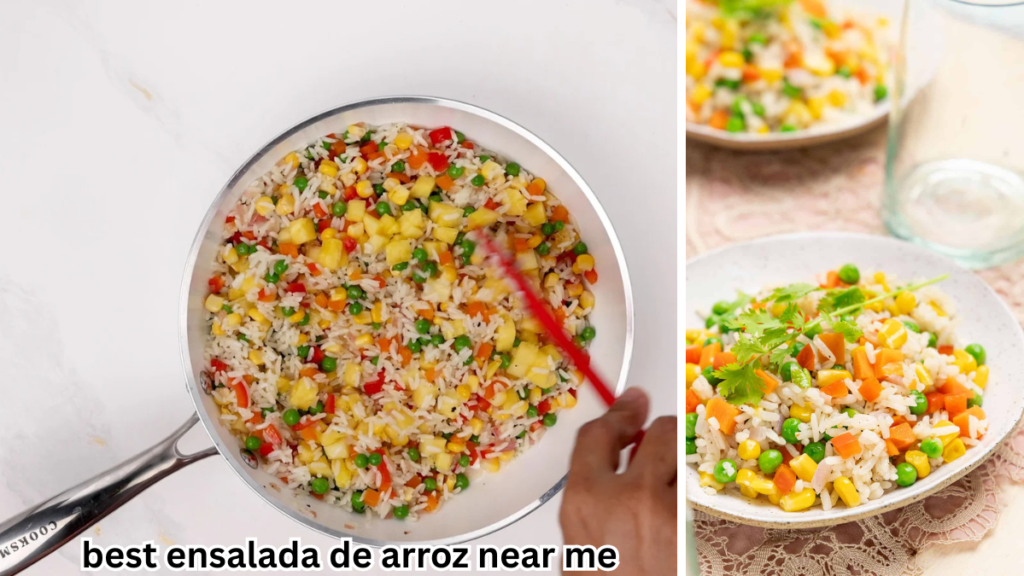
Fresh vegetables add color, crunch, and nutritional value. Common choices include:
| Ingredient | Contribution to Flavor | Texture |
|---|---|---|
| Bell peppers | Sweet and fresh | Crisp |
| Corn | Mild sweetness | Tender |
| Peas | Earthy sweetness | Soft |
| Tomatoes | Juicy brightness | Tender |
| Cucumbers | Refreshing taste | Crunchy |
| Red onions | Sharp flavor | Crisp |
| Carrots | Mild sweetness | Firm |
Protein options often include tuna, chicken, shrimp, ham, or boiled eggs. These additions transform the dish from a side item into a satisfying meal.
Dressings play a critical role. Some recipes rely on olive oil and vinegar, while others use mayonnaise-based mixtures that create richer flavors.
Herbs such as parsley, cilantro, and green onions introduce freshness that ties the entire dish together.
Characteristics of an Exceptional Rice Salad
Not every rice salad delivers the same experience. The finest versions share several defining characteristics that distinguish them from average preparations.
Balance is perhaps the most important factor. No single ingredient should overwhelm the others. The rice, vegetables, proteins, and dressing should complement one another harmoniously.
Freshness also matters tremendously. Vegetables should remain crisp and vibrant, while herbs should contribute bright aromas rather than wilted flavors.
Texture diversity enhances enjoyment. A combination of crunchy vegetables, tender proteins, fluffy rice, and creamy dressing creates a more engaging eating experience.
Proper seasoning is equally important. Salt, pepper, citrus, and herbs should enhance natural flavors without dominating the dish.
As one experienced chef famously remarked:
“A great rice salad should taste like every ingredient was invited for a reason.”
That philosophy perfectly captures what makes outstanding ensalada de arroz memorable.
Regional Variations That Influence Flavor
One reason people continue searching for the best ensalada de arroz near me is the incredible diversity of styles available.
Spanish-inspired versions frequently feature olives, roasted peppers, seafood, and olive oil-based dressings. These preparations emphasize Mediterranean flavors and lighter textures.
Mexican variations may incorporate jalapeños, cilantro, corn, lime juice, and avocado for a bright and vibrant profile.
Caribbean recipes often include tropical ingredients such as pineapple, mango, or coconut-based elements that add sweetness and complexity.
South American versions sometimes incorporate peas, carrots, eggs, and mayonnaise-based dressings that create richer, heartier dishes suitable for celebrations.
These regional influences ensure that no two rice salads are exactly alike, making exploration part of the enjoyment.
Why Restaurants Continue Featuring Rice Salads
Restaurant menus constantly evolve, yet rice salads remain popular offerings. Their enduring appeal comes from several practical and culinary advantages.
They accommodate a wide range of customer preferences. Diners seeking vegetarian options, seafood dishes, protein-rich meals, or lighter fare can often find a suitable version.
Rice salads also showcase seasonal ingredients effectively. Chefs can adjust recipes throughout the year while maintaining the dish’s core identity.
From a presentation standpoint, colorful vegetables and garnishes create visually appealing plates that attract customers immediately.
Furthermore, rice salads pair well with grilled meats, seafood, sandwiches, and soups, making them versatile menu components.
Their combination of flavor, nutrition, and adaptability explains why they remain staples in many dining establishments.
Nutritional Benefits of Ensalada de Arroz
Many people appreciate rice salad not only for its taste but also for its nutritional value.
Rice provides carbohydrates that support energy production throughout the day. When combined with vegetables and proteins, the dish becomes a balanced meal capable of satisfying hunger while supplying essential nutrients.
Vegetables contribute vitamins, minerals, antioxidants, and dietary fiber. Ingredients such as bell peppers, tomatoes, carrots, and peas enhance both flavor and health benefits.
Protein additions support muscle maintenance and satiety. Tuna, chicken, eggs, and legumes all offer valuable nutritional contributions.
Healthy fats from olive oil, avocado, nuts, or seeds further improve the nutritional profile while enhancing flavor.
The result is a dish that can fit comfortably into many eating styles and dietary preferences.
Seasonal Appeal Throughout the Year
Although often associated with warm weather, rice salad remains relevant throughout every season.
Spring versions emphasize fresh vegetables and herbs emerging from local harvests. Bright flavors dominate these preparations.
Summer is perhaps the most popular season for rice salads. Their refreshing nature makes them ideal for outdoor dining, barbecues, and picnics.
Autumn recipes frequently incorporate roasted vegetables and heartier ingredients that complement cooler temperatures.
Winter holiday celebrations often feature richer versions containing eggs, meats, and creamy dressings that suit festive gatherings.
This year-round adaptability helps explain the dish’s enduring popularity across cultures and climates.
What Diners Look for When Searching Locally
When searching for the best ensalada de arroz near me, diners often evaluate several important factors before choosing where to eat.
Fresh ingredients consistently rank among the highest priorities. Customers want vegetables that taste recently prepared rather than sitting for extended periods.
Portion size also matters. A well-made rice salad should feel satisfying without being unnecessarily heavy.
Consistency plays a major role in building customer loyalty. Restaurants that deliver reliable quality encourage repeat visits and positive recommendations.
Presentation influences perceptions as well. Attractive plating communicates care and attention to detail before the first bite is even taken.
Finally, unique recipes often stand out. Signature dressings, house-made ingredients, and creative combinations can transform a familiar dish into a memorable dining experience.
Common Ingredients That Elevate Flavor
Some ingredients consistently appear in highly praised rice salads because they contribute exceptional flavor and texture.
Olives add briny depth that contrasts beautifully with mild rice.
Roasted peppers introduce sweetness and complexity.
Fresh herbs provide brightness and aromatic character.
Citrus juice contributes acidity that enhances other ingredients while keeping the dish refreshing.
Avocado creates creamy richness without requiring heavy dressings.
Capers offer bursts of concentrated flavor that complement seafood and vegetable combinations.
Hard-boiled eggs provide protein and texture while adding visual appeal.
These additions often distinguish restaurant-quality preparations from more basic homemade versions.
Pairing Rice Salad With Other Foods
Rice salad’s versatility makes it an excellent companion to many dishes.
Grilled chicken pairs beautifully with vegetable-focused rice salads. The smoky flavors complement the freshness of the salad ingredients.
Seafood dishes also work exceptionally well. Shrimp, fish, and shellfish often appear directly within rice salads or alongside them.
Roasted vegetables create satisfying vegetarian combinations that emphasize natural flavors.
Sandwiches and wraps benefit from rice salad as a side dish, adding freshness and nutritional balance.
Many people also enjoy rice salad as a standalone meal due to its combination of carbohydrates, vegetables, proteins, and healthy fats.
The Importance of Texture Balance
Flavor receives much attention, but texture often determines whether a rice salad feels truly exceptional.
Perfectly cooked rice should remain light and fluffy rather than mushy. Individual grains contribute a pleasant mouthfeel that forms the foundation of the dish.
Crunchy vegetables create contrast that keeps each bite interesting.
Creamy elements such as avocado, eggs, or dressings provide richness that balances crisp ingredients.
Protein additions contribute substance and variety.
When these textures work together harmoniously, the overall dining experience becomes significantly more enjoyable.
Fresh Herbs and Their Impact
Fresh herbs can dramatically influence the character of a rice salad.
Parsley contributes clean, grassy notes that complement many ingredient combinations.
Cilantro introduces bright citrus-like flavors popular in Latin American recipes.
Green onions add mild sharpness without overpowering the dish.
Basil creates aromatic sweetness often associated with Mediterranean preparations.
Mint delivers refreshing qualities that work particularly well during warmer months.
The careful use of herbs often distinguishes ordinary recipes from exceptional ones.
Homemade Versus Restaurant Versions
Homemade rice salads offer personalization and family traditions that many people cherish.
Home cooks can tailor ingredients according to individual preferences, dietary needs, and seasonal availability.
Restaurant versions, however, frequently benefit from professional techniques, specialized ingredients, and consistent preparation methods.
Chefs often develop unique dressings and ingredient combinations that elevate familiar recipes.
Both approaches have value. The choice often depends on convenience, desired flavors, and the dining experience one seeks.
The Role of Presentation in Dining Satisfaction
Visual appeal significantly influences how people perceive food.
Colorful vegetables arranged thoughtfully throughout a rice salad create immediate excitement. Bright reds, greens, yellows, and oranges communicate freshness and variety.
Garnishes such as herbs, citrus wedges, and edible flowers further enhance presentation.
Serving dishes also matter. Attractive bowls and plates can elevate the overall experience.
As culinary professionals frequently note:
“People eat with their eyes before they taste with their mouths.”
This principle applies particularly well to visually vibrant dishes like ensalada de arroz.
Cultural Significance Across Generations
Rice salad represents more than a simple recipe in many communities.
Families often associate specific versions with holidays, celebrations, and memorable gatherings. Recipes become part of cultural identity and personal history.
Grandparents teach preparation techniques to younger generations, preserving traditions while allowing gradual evolution.
Community events frequently feature rice salads because they are affordable, shareable, and universally appealing.
These emotional connections contribute to the dish’s enduring popularity and widespread presence.
Modern Trends Influencing Rice Salad Recipes
Contemporary culinary trends continue shaping how rice salads are prepared and enjoyed.
Health-conscious diners increasingly seek nutrient-dense ingredients such as quinoa blends, legumes, and extra vegetables.
Global influences introduce new spices, herbs, and dressings that expand flavor possibilities.
Plant-based versions have gained popularity among those seeking vegetarian or vegan alternatives.
Chefs also emphasize locally sourced ingredients, creating seasonal variations that showcase regional agriculture.
These developments ensure rice salad remains relevant while honoring its traditional roots.
Finding Quality Ingredients Locally
Excellent rice salad begins with exceptional ingredients.
Fresh vegetables should display vibrant colors, firm textures, and pleasant aromas.
Rice quality matters significantly because it serves as the foundation of the dish. Long-grain varieties often produce the best texture for salads.
Proteins should be fresh and properly prepared.
Herbs should appear bright and aromatic rather than wilted.
Local markets often provide opportunities to source high-quality ingredients while supporting regional producers.
Why Ensalada de Arroz Remains a Timeless Favorite
Food trends come and go, yet certain dishes endure because they satisfy fundamental culinary desires.
Rice salad combines comfort, freshness, nutrition, and versatility in a single preparation. It can adapt to countless occasions while remaining familiar and approachable.
Its affordability makes it accessible to diverse communities.
Its flexibility accommodates evolving tastes and dietary preferences.
Its cultural significance preserves connections between generations.
These qualities help explain why people continue searching for the best ensalada de arroz near me and why the dish remains beloved worldwide.
Conclusion
The search for outstanding rice salad often leads to discoveries that extend far beyond a simple meal. Ensalada de arroz represents tradition, creativity, nutrition, and community all at once. Its endless variations allow chefs, home cooks, and families to express their unique culinary identities while maintaining a recognizable foundation.
Whether served at a holiday celebration, family gathering, restaurant lunch, or summer picnic, this versatile dish continues to bring people together through fresh ingredients and satisfying flavors. Understanding what makes a great rice salad—from ingredient quality and texture balance to seasoning and presentation—enhances appreciation for every bite.
For anyone exploring local dining options, finding the best ensalada de arroz near me can become an enjoyable culinary journey filled with regional specialties, family traditions, and memorable flavors that showcase the remarkable versatility of this beloved dish.
FAQ
What is ensalada de arroz?
Ensalada de arroz is a rice-based salad typically made with cooked rice, vegetables, herbs, and optional proteins such as tuna, chicken, shrimp, or eggs. It is served cold or slightly chilled and is popular throughout many Spanish-speaking countries.
Why do people search for the best ensalada de arroz near me?
People often search for the best ensalada de arroz near me when looking for a fresh, satisfying meal that combines vegetables, rice, and flavorful ingredients. Local restaurants frequently offer unique versions that reflect regional traditions and chef creativity.
Is ensalada de arroz served as a main dish or side dish?
It can serve either purpose. Lighter versions often accompany grilled meats or seafood, while protein-rich recipes containing tuna, chicken, or eggs can function as complete meals.
What ingredients are commonly found in rice salad?
Common ingredients include rice, bell peppers, peas, corn, tomatoes, onions, olives, herbs, eggs, tuna, chicken, and various dressings. Specific combinations vary by region and personal preference.
Is ensalada de arroz healthy?
Yes, it can be a nutritious option. The dish often includes vegetables, lean proteins, healthy fats, and complex carbohydrates, creating a balanced meal that supports overall wellness.
What type of rice works best for ensalada de arroz?
Long-grain rice is often preferred because it remains light and fluffy after cooking. Properly cooked grains maintain their structure, helping create the ideal texture for a rice salad.
Can rice salad be prepared ahead of time?
Yes. Many cooks prepare rice salad several hours in advance to allow flavors to develop. Proper refrigeration helps maintain freshness and food safety while improving overall taste.
Read also: Best Ensalada Rusa Navidad Near Me: A Complete Guide to Finding the Perfect Holiday Russian Salad