
If you searched for best mondongo soup near me because you want to know where to find it, what it actually is, and how to make it at home, this guide covers everything you need. From its history to a step-by-step recipe, health benefits, and tips for finding the best mondongo soup near me, this article answers every part of your search.
What Is Mondongo Soup?
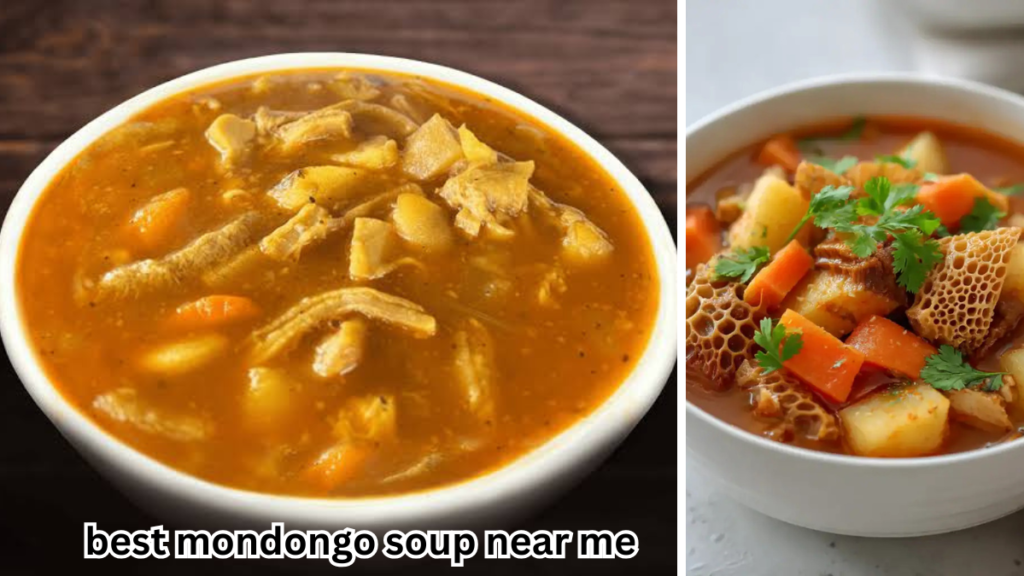
Mondongo Soup, also known in Spanish as Sopa de Mondongo, is a traditional, hearty soup from Latin America and the Caribbean made primarily from tripe — the lining of a cow’s or pig’s stomach. This dish is especially popular in the Dominican Republic, Colombia, Venezuela, and Puerto Rico, where it’s often served as a Sunday family lunch or during special gatherings.
What makes Mondongo Soup stand out is the slow-cooking process: tripe is simmered for hours alongside vegetables such as potatoes, carrots, tomatoes, onions, garlic, and bell peppers, resulting in a thick, flavorful, and nutrient-dense broth. Nearly every household has its own version, which is why people often say there are as many Mondongo Soup recipes as there are cooks who make it.
The History and Origin of Mondongo Soup
The roots of Mondongo Soup trace back to the Spanish colonial era. The word “mondongo” itself dates to the 17th century, and the dish is also linked to African culinary traditions — historians believe enslaved Africans brought early versions of this cooking style with them, which later blended with Spanish techniques to become the dish we know today.
Mondongo Soup is a great example of “nose-to-tail” cooking, where every part of the animal, including offal like tripe, is transformed into something delicious rather than wasted. Today, it’s considered a proud staple of Latin American cuisine, served everywhere from home kitchens to upscale restaurants.
Mondongo Soup Ingredients
Every region has its own twist, but the core Mondongo Soup ingredients typically include:
- Tripe (beef or pork) – the star ingredient, thoroughly cleaned and pre-boiled
- Onion, garlic, bell peppers, celery – for the flavor base
- Tomatoes or tomato paste – for a rich, reddish broth
- Potatoes and carrots – for a hearty texture
- Root vegetables like yautia (malanga), cassava, or yam – common in many variations
- Oregano (often Dominican oregano) – for the dish’s signature aroma
- Cow or pig trotters – added in many traditional recipes for extra richness and gelatin
Mondongo Soup is usually served with white rice, avocado, lime wedges, and a spicy hot sauce on the side, which brings extra brightness to the dish.
How to Make Mondongo Soup: Step-by-Step Recipe
- Clean the tripe – This is the most important step. Wash the tripe thoroughly and soak it in lime juice or vinegar to remove any strong odor.
- Pre-boil the tripe – Simmer the tripe in water with onion and salt for 2–3 hours until tender. This step takes time but is essential for the final flavor of your Mondongo Soup.
- Prepare the sofrito – In a separate pan, heat oil and sauté onion, garlic, bell pepper, and tomato until fragrant.
- Combine everything – Add the boiled tripe, the sofrito, potatoes, carrots, and any other vegetables into one pot and simmer on low heat for another hour or two.
- Season – Adjust with salt, black pepper, and oregano to taste.
- Serve – Ladle the hot Mondongo Soup into bowls and serve with fresh cilantro, lime wedges, and a side of white rice.
The entire process takes roughly 3–4 hours, but the result is a rich, comforting soup that’s well worth the wait.
Mondongo Soup vs. Menudo: What’s the Difference?
Many people confuse Mondongo Soup with the Mexican dish Menudo, but they are quite different:
- Mondongo Soup leans heavily on vegetables like potatoes, carrots, and tomatoes, giving it a thicker, stew-like consistency.
- Menudo is a Mexican dish made with dried red chilies and hominy, resulting in a spicier, thinner broth.
The one thing both dishes share is tripe — everything else, from taste to texture to preparation, sets them apart.
Health Benefits of Mondongo Soup
- High in protein – Tripe is a solid source of protein that supports muscle repair and recovery.
- Rich in collagen and gelatin – Long, slow cooking releases collagen from the tripe, which many people associate with better joint and skin health.
- Packed with vitamins and minerals – The vegetables used in Mondongo Soup, such as carrots, potatoes, and tomatoes, provide vitamin A, vitamin C, and fiber.
- A true comfort food – In colder weather or after a long night, this soup is often described as warming, filling, and even a go-to “hangover cure” in several Latin American countries.
That said, tripe can be relatively high in cholesterol and sodium, so people managing heart conditions or blood pressure should enjoy Mondongo Soup in moderation and consult a doctor if needed.
Where to Find Mondongo Soup
Mondongo Soup is most commonly found at Latin American and Caribbean restaurants — particularly Dominican, Colombian, Venezuelan, or Puerto Rican eateries. If you live somewhere where Latin American cuisine isn’t widely available, you may not find this exact dish nearby, though some continental or fusion restaurants may offer similarly hearty soups. It’s always a good idea to call ahead and confirm whether a restaurant serves Mondongo Soup before visiting.
Regional Variations of Mondongo Soup
- Dominican Republic – Made with yautia, cassava, and Dominican oregano; served with lime and hot sauce.
- Colombia – Uses more cilantro and a poultry or beef stock base.
- Venezuela – Includes corn on the cob, chickpeas, and small masa dumplings known as “bolitas.”
- Puerto Rico – Adds olives, capers, and raisins, giving the dish a slightly sweet and tangy note.
Each variation of Mondongo Soup brings its own regional identity, but the core idea remains the same: tripe and vegetables, slow-cooked into a rich, satisfying broth.
Conclusion
Mondongo Soup is more than just a dish — it’s a living piece of Latin American and Caribbean culture, passed down through generations of family recipes. Whether you’re an adventurous foodie or simply curious about new flavors, it’s a dish worth trying at least once. If you plan to make Mondongo Soup at home, be patient — its real magic lies in slow cooking and careful preparation.
Frequently Asked Questions (FAQs)
1. What is Mondongo Soup made of? Mondongo Soup is typically made from tripe (the stomach lining of a cow or pig) slow-cooked with vegetables such as potatoes, carrots, tomatoes, onions, and bell peppers.
2. What’s the difference between Mondongo Soup and Menudo? Mondongo Soup is a Latin American dish focused on vegetables and a thick broth, while Menudo is a Mexican dish made with dried chilies and hominy, resulting in a spicier, thinner broth.
3. Is Mondongo Soup healthy? Yes, Mondongo Soup is high in protein and collagen, which can benefit muscles and joints, but it’s also higher in cholesterol, so it’s best enjoyed in moderation.
4. How long does it take to make Mondongo Soup? Including cleaning and pre-boiling the tripe, a full batch of Mondongo Soup usually takes about 3 to 4 hours to prepare.
5. Can I substitute tripe in Mondongo Soup? Yes, if tripe isn’t available or preferred, some people use chicken or beef instead, though the traditional flavor of Mondongo Soup comes specifically from tripe.
6. What is Mondongo Soup traditionally served with? It’s usually served with white rice, avocado, lime wedges, and a spicy hot sauce on the side.
7. Where did Mondongo Soup originate? Mondongo Soup originated during the Spanish colonial period in Latin America, with strong influences from African culinary traditions brought over during that time.
Read also Best Espinacas Con Garbanzos Near Me: Complete Guide, Recipe & Top Tips (2026)