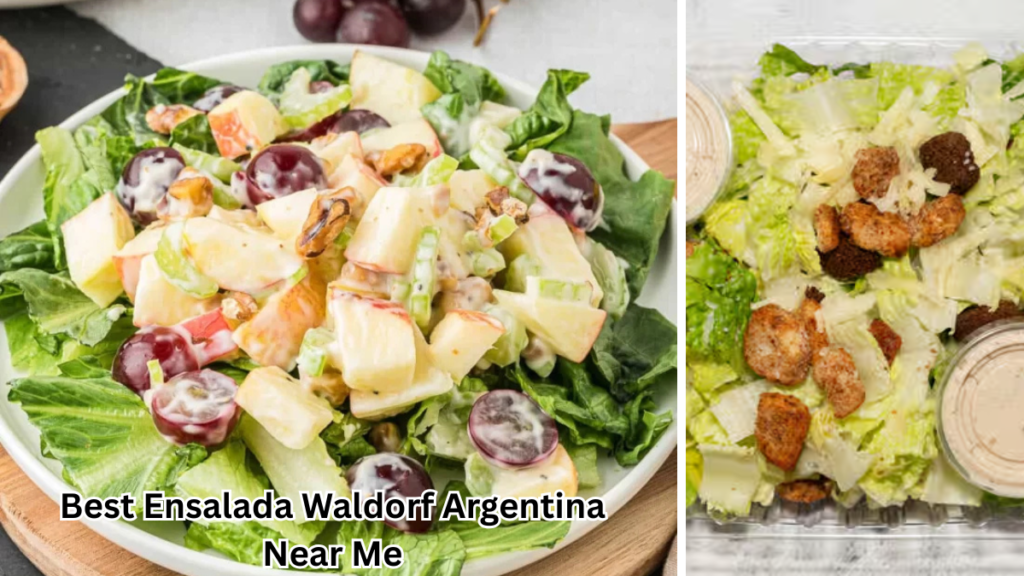

If you’ve ever typed “best Ensalada Waldorf Argentina near me” into your phone while standing outside a parrilla wondering what to order alongside your asado, you’re definitely not alone. This creamy, crunchy, slightly sweet salad has quietly become one of Argentina’s most beloved side dishes, showing up on family tables, corner cafés, and upscale restaurant menus alike. It’s comfort food dressed up as something fancy, and once you understand what goes into a proper version, you’ll never settle for a mediocre one again.
I’ve spent years eating my way through Argentine kitchens, home dinners, and neighborhood eateries, and if there’s one dish that consistently divides opinion between “pretty good” and “unforgettable,” it’s this one. The difference almost always comes down to freshness, balance, and a chef who actually cares about texture instead of just dumping mayonnaise over chopped fruit. This guide walks you through everything you need to know so your next search for the best Ensalada Waldorf Argentina near me actually leads somewhere worth the trip.
What Makes Ensalada Waldorf a Timeless Classic
At its heart, this salad is a study in contrasts. You’ve got crisp apples playing against soft celery, crunchy walnuts adding texture, and a creamy dressing tying it all together. It sounds simple, and honestly, it is, but simplicity is exactly why it’s so easy to get wrong. Too much dressing and it turns into mush. Too little and the ingredients feel disconnected, like a fruit bowl that wandered into the wrong dish by accident.
What’s fascinating is how this salad traveled so far from its origins and found such a natural home in Argentine cuisine. Argentine cooks tend to have a deep appreciation for balance between rich and fresh flavors, which is probably why this dish fits so seamlessly next to grilled meats and heavier mains. When people search for the best Ensalada Waldorf Argentina near me, they’re usually not just looking for a salad; they’re looking for that specific harmony between crunch, creaminess, and a touch of natural sweetness that only comes from ripe fruit done right.
Why Argentina Has Fallen in Love With This Salad
Argentine food culture revolves heavily around meat, bread, and rich sauces, so it makes sense that a lighter, fruit-forward salad would carve out its own beloved niche. It offers relief from heavier dishes without feeling like a compromise. Instead of a boring side salad with plain lettuce, you get something that feels like a genuine part of the meal, something with personality and a bit of indulgence built right in.
There’s also a nostalgic element at play. Many Argentine families have their own version passed down through generations, tweaked slightly with local ingredients or family preferences. Some add raisins for extra sweetness, others swap in local apple varieties, and a few even sneak in a bit of yogurt to lighten the dressing. This flexibility is part of why the dish has stayed relevant for so long. Whenever someone searches for the best Ensalada Waldorf Argentina near me, they’re often chasing a memory as much as a meal, hoping to find a version that reminds them of a grandmother’s kitchen or a favorite neighborhood spot.
Key Ingredients That Define an Authentic Ensalada Waldorf
A truly great version starts with quality apples. You want something crisp and slightly tart rather than mealy or overly sweet, since the acidity helps cut through the richness of the dressing. Celery adds that essential crunch and a subtle earthy freshness that keeps the whole dish from tasting one-dimensional. Walnuts bring texture and a slightly bitter, toasty flavor that balances the sweetness beautifully.
The dressing is where things get personal. Traditional versions lean on mayonnaise, sometimes lightened with a splash of cream or a bit of lemon juice for brightness. Some cooks fold in a touch of mustard for depth, while others keep it purely classic. Grapes are another common addition, offering little bursts of juicy sweetness between bites of apple and celery. When you’re hunting down the best Ensalada Waldorf Argentina near me, pay attention to whether the kitchen uses fresh, high-quality produce or relies on pre-cut, days-old ingredients, because that difference is impossible to hide once you take a bite.
How to Find the Best Ensalada Waldorf Argentina Near Me
Finding a genuinely great version isn’t always as simple as picking the nearest restaurant with it listed on the menu. Start by checking recent reviews rather than just star ratings, since people often mention specifics like freshness, portion size, or whether the dressing was too heavy. A restaurant known for its grilled meats and traditional Argentine fare is often a safer bet than a generic café, since kitchens that take pride in classic dishes usually extend that same care to their sides.
Word of mouth still matters more than any algorithm. Ask locals where they’d go for a proper homestyle salad, or check community food groups where people share honest opinions rather than polished marketing photos. If you’re searching for the best Ensalada Waldorf Argentina near me while traveling, don’t be afraid to ask your hotel staff or a local shop owner; they often know which small, unassuming spots serve the most authentic versions, far better than anything you’d find through a generic online search alone.
Top Qualities to Look for in a Great Waldorf Salad
The first thing to notice is texture. A well-made salad should have distinct crunch from the celery and walnuts, contrasted against the soft bite of apple and the creaminess of the dressing. If everything feels uniformly soft or mushy, that’s usually a sign the ingredients weren’t fresh or the salad sat around too long before being served.
Balance of flavor matters just as much. The dressing shouldn’t overpower the natural sweetness of the fruit, and there shouldn’t be an overwhelming tang that masks everything else. A great kitchen understands restraint, adding just enough dressing to coat the ingredients without drowning them. Presentation also tells you a lot; a salad that’s been carefully tossed and plated with visible chunks of apple, walnut, and celery usually reflects a kitchen that takes pride in the dish, rather than treating it as an afterthought.
Ensalada Waldorf as a Side Dish vs Main Course
In most Argentine households and restaurants, this salad plays a supporting role alongside grilled meats, empanadas, or a hearty stew. Its cool, creamy texture provides a refreshing counterpoint to smoky, rich flavors, making it a natural companion to an asado spread. This is probably the most common way people encounter it, tucked neatly beside a plate piled high with grilled options.
That said, more modern restaurants have started reimagining it as a light main course, often adding grilled chicken or shrimp to make it more substantial. This version tends to appeal to people looking for something fresh yet filling, especially during warmer months when a heavy meal feels less appealing. Whichever version you’re chasing, knowing which style you want helps narrow down your search when looking for the best Ensalada Waldorf Argentina near me, since not every restaurant offers both interpretations.
Regional Twists on Ensalada Waldorf Across Argentina
Argentina’s diverse regions bring their own subtle spins to this classic. In some areas, cooks incorporate local fruit varieties that aren’t found elsewhere, giving the salad a distinctly regional character. Coastal regions sometimes lighten the dressing further, leaning into fresher, tangier flavors that pair well with seafood-heavy menus nearby.
Inland and mountain regions, on the other hand, often keep things heartier, adding more walnuts or even a touch of local cheese for extra richness. These small variations mean that the best version really can differ depending on where you are, which is part of the fun in exploring different takes rather than assuming one definitive recipe exists everywhere. If you’re traveling through the country, it’s worth trying a version in each region you visit rather than assuming your favorite spot back home represents the only correct interpretation.
Tips for Enjoying Ensalada Waldorf at Home or a Restaurant
If you’re making it yourself, freshness truly is everything. Use apples that are firm and crisp, avoid celery that’s gone limp, and toast your walnuts lightly to bring out their natural flavor before mixing everything together. Prepare the dressing separately and fold it in just before serving, since letting it sit too long can cause the apples to release moisture and turn the whole dish watery.
When ordering it at a restaurant, don’t hesitate to ask how it’s prepared, especially if you have specific preferences around sweetness or richness. A good server or chef will happily explain their approach, and their willingness to talk through it often reflects genuine pride in the dish. Pairing it with grilled meat or a light white wine tends to bring out the best in both, letting the salad’s freshness cut through richer flavors on your plate.
Health Benefits Hidden in This Creamy Classic
Despite its indulgent reputation, this salad actually packs in a fair amount of nutritional value. Apples bring fiber and natural sweetness without added sugar, while celery contributes hydration and a mild dose of vitamins. Walnuts, meanwhile, are known for healthy fats that support heart health, making this dish far more balanced than it might first appear.
Of course, the dressing can tip the scale toward indulgence, so portion size and preparation method matter if you’re mindful of what you eat. Some modern kitchens now offer lighter versions using yogurt-based dressings instead of traditional mayonnaise, giving health-conscious diners a way to enjoy the same flavors with a bit less richness. Either way, it’s reassuring to know that your craving for the best Ensalada Waldorf Argentina near me doesn’t have to come with total dietary guilt.
Final Thoughts
Chasing down a truly great version of this salad is one of those small culinary adventures that ends up being far more rewarding than expected. It’s a dish that rewards attention to detail, fresh ingredients, and a kitchen willing to treat a “simple side” with real care. Whether you find it tucked beside a smoky asado or reinvented as a light main course, the right version will always stand out through its balance of crunch, cream, and natural sweetness.
Next time you’re searching for the best Ensalada Waldorf Argentina near me, remember that the best experiences often come from asking locals, reading recent reviews, and being willing to try a few different spots before settling on a favorite. Great food discovery is part patience, part curiosity, and this creamy Argentine classic is absolutely worth the effort of finding done right.
FAQs
What is Ensalada Waldorf typically served with in Argentina? It’s most commonly served alongside grilled meats, empanadas, or hearty stews, acting as a refreshing counterpoint to richer, smokier flavors on the plate.
How can I tell if a restaurant serves an authentic version? Look for visible chunks of fresh apple, celery, and walnuts rather than a mushy mixture, and check recent reviews mentioning freshness and balance rather than just overall ratings.
Is Ensalada Waldorf considered a healthy dish? It offers genuine nutritional value from apples, celery, and walnuts, though the traditional mayonnaise-based dressing does add richness, so portion size matters if you’re watching your diet.
Can Ensalada Waldorf be made without mayonnaise? Yes, many modern kitchens use a yogurt-based dressing instead, which lightens the dish while still keeping that signature creamy texture.
Why does the recipe vary so much across different regions? Local produce availability and regional taste preferences naturally shape the dish, meaning coastal areas might lighten the dressing while inland regions add richer ingredients like extra walnuts or local cheese.
You may also read Best Rocoto Relleno Near Me: A Local’s Guide to Finding the Real Deal