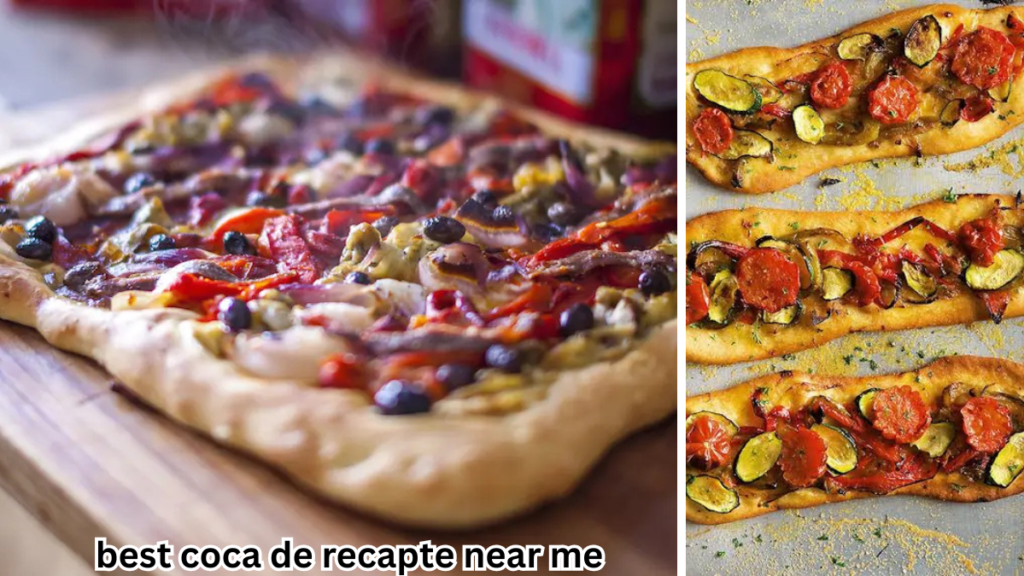

Few traditional foods capture the spirit of a region as beautifully as coca de recapte. This rustic Catalan flatbread has been enjoyed for generations and remains one of the most authentic culinary symbols of northeastern Spain. With its thin, crispy dough and flavorful toppings of roasted vegetables, fish, and cured meats, it delivers a perfect balance of simplicity and richness.
People searching for the best coca de recapte near me are often looking for more than just a meal. They want an authentic experience, a taste of local culture, and a connection to centuries-old cooking traditions. Unlike many modern fast-food offerings, coca de recapte reflects the agricultural roots of Catalonia, where families used seasonal ingredients harvested from local fields.
Its popularity continues to grow among travelers, food enthusiasts, and anyone interested in Mediterranean cuisine. Restaurants, bakeries, and traditional eateries are increasingly featuring this beloved dish on their menus, making it easier than ever to discover high-quality versions in many locations.
The beauty of coca de recapte lies in its versatility. Every town, family, and chef adds their own interpretation while preserving the essential characteristics that make the dish unique. Whether topped with roasted peppers, eggplant, onions, sardines, anchovies, or sausage, each variation tells a story of local traditions and culinary heritage.
For anyone interested in finding authentic regional foods, learning about coca de recapte is an excellent starting point. Understanding its history, ingredients, preparation methods, and serving styles helps diners recognize exceptional versions and appreciate the craftsmanship behind every slice.
Understanding the Origins of Coca de Recapte
The history of coca de recapte stretches back hundreds of years and is deeply connected to the agricultural communities of Catalonia. The term “recapte” refers to provisions or supplies gathered from the countryside. Traditionally, families would use whatever ingredients were available after harvesting crops or purchasing goods from local markets.
This practical approach gave rise to a flatbread topped with vegetables and other ingredients that reflected the season. Farmers and rural households found coca de recapte to be an efficient way to create satisfying meals while minimizing food waste. Over time, these humble beginnings evolved into a cherished culinary tradition.
Many historians consider coca de recapte one of the oldest examples of Mediterranean flatbread cooking. Long before modern pizzas gained worldwide popularity, Catalan communities were preparing these savory baked creations using wood-fired ovens and locally sourced produce.
Today, the dish remains a symbol of regional pride. Traditional recipes continue to be passed down through generations, ensuring that the flavors and techniques remain authentic despite changing culinary trends.
As one Catalan chef famously remarked, “A good coca de recapte is not complicated. It simply respects the ingredients and the land they come from.”
What Makes Coca de Recapte Different From Other Flatbreads
At first glance, coca de recapte may resemble pizza or focaccia, but its characteristics are distinct. The dough is generally thinner and lighter, creating a crisp texture that highlights the toppings rather than overpowering them.
Unlike pizza, coca de recapte traditionally does not rely on cheese as a central ingredient. Instead, roasted vegetables often serve as the primary flavor component. This approach allows the natural sweetness and smokiness of peppers, onions, and eggplants to shine.
The toppings are usually arranged in a simple, elegant manner. Rather than layering multiple ingredients heavily, cooks carefully balance flavors and textures. Every element contributes to the overall harmony of the dish.
Another defining feature is its strong connection to local produce. Seasonal ingredients remain a cornerstone of authentic preparation. This emphasis on freshness aligns perfectly with Mediterranean culinary philosophy.
The result is a food that feels both rustic and sophisticated. It is satisfying without being heavy and flavorful without relying on excessive seasoning.
Traditional Ingredients Found in Authentic Coca de Recapte
One reason coca de recapte has remained popular for centuries is the quality and simplicity of its ingredients. Traditional recipes focus on a few carefully selected components that work together beautifully.
Common vegetables include roasted red peppers, onions, eggplants, and tomatoes. Roasting enhances their sweetness and creates the characteristic smoky flavor associated with the dish.
Protein toppings vary depending on local customs. Sardines and anchovies are among the most traditional choices, especially in coastal regions. Inland areas may favor cured sausages or other meats.
Olive oil plays a critical role throughout preparation. High-quality extra virgin olive oil enriches both the dough and toppings while contributing to the distinctive Mediterranean taste.
Sea salt and simple herbs complete the flavor profile. Excessive spices are generally avoided, allowing natural ingredient flavors to remain the focus.
The following table highlights common ingredients and their contributions to the final dish:
| Ingredient | Role in the Dish | Flavor Profile |
|---|---|---|
| Roasted Red Peppers | Main topping | Sweet and smoky |
| Eggplant | Texture and depth | Rich and earthy |
| Onion | Sweetness and aroma | Mild and caramelized |
| Sardines | Traditional protein | Salty and savory |
| Anchovies | Intense flavor accent | Briny and complex |
| Olive Oil | Moisture and richness | Fruity and smooth |
| Sea Salt | Flavor enhancement | Clean and balanced |
| Tomato | Freshness and acidity | Bright and juicy |
These ingredients form the foundation of countless regional variations while preserving the essence of the dish.
Why Travelers Search for Authentic Local Versions
Food tourism continues to grow worldwide, and regional specialties often become highlights of travel experiences. Visitors searching for the best coca de recapte near me frequently hope to discover restaurants that maintain traditional methods and authentic flavors.
Authenticity matters because regional foods reflect cultural identity. Eating coca de recapte in an establishment that honors local traditions offers insights into Catalan history, agriculture, and community life.
Travelers often find that family-owned bakeries and traditional taverns produce some of the finest examples. These businesses typically rely on recipes that have been refined over generations.
The atmosphere also contributes to the experience. Enjoying coca de recapte in a rustic setting surrounded by local culture creates memories that extend beyond the meal itself.
For many visitors, discovering regional specialties becomes one of the most rewarding aspects of exploring a destination.
Regional Variations Across Catalonia
Catalonia’s diverse geography has influenced the development of numerous coca de recapte variations. Coastal communities often incorporate seafood, while inland regions emphasize agricultural ingredients and cured meats.
In some areas, anchovies dominate the flavor profile. Other towns favor sardines paired with roasted vegetables. Certain regions add local sausages that provide a heartier dining experience.
The dough itself can vary slightly from one location to another. Some bakers create exceptionally thin, crisp crusts, while others prefer a slightly thicker texture.
Seasonal differences also shape local interpretations. Summer versions may showcase abundant peppers and tomatoes, while autumn recipes feature ingredients harvested later in the year.
These regional distinctions ensure that every encounter with coca de recapte feels unique while remaining connected to a shared culinary heritage.
Characteristics of an Exceptional Coca de Recapte
Recognizing a high-quality coca de recapte requires attention to several important details. The dough should be crisp without becoming overly hard or dry. It must provide structure while remaining pleasant to bite.
Vegetables should be properly roasted, bringing out their natural sweetness and smoky complexity. Undercooked toppings often lack depth, while overcooked vegetables can become mushy.
Balance is another hallmark of excellence. No single ingredient should dominate the dish unnecessarily. Each component contributes to a cohesive flavor experience.
Fresh olive oil enhances the aroma and richness without overwhelming other ingredients. Quality oil often serves as an indicator of the establishment’s commitment to authenticity.
Presentation should appear rustic yet thoughtful. Traditional dishes celebrate simplicity rather than elaborate decoration.
As one respected baker noted, “The secret is patience. Good ingredients need time to reveal their best flavors.”
The Role of Local Markets in Coca de Recapte Culture
Local markets have always played an essential role in the preparation of coca de recapte. Historically, families gathered fresh produce and provisions before returning home to create meals centered around seasonal availability.
Modern chefs continue this tradition by sourcing ingredients from regional growers whenever possible. Fresh vegetables harvested at peak ripeness significantly improve flavor and texture.
Market culture also supports sustainability and local economies. Purchasing ingredients from nearby producers reduces transportation requirements while preserving traditional farming practices.
Many celebrated versions of coca de recapte owe their quality to strong relationships between chefs and local suppliers. These partnerships ensure consistent access to exceptional ingredients throughout the year.
For diners, understanding this connection adds another layer of appreciation to the culinary experience.
Pairing Coca de Recapte With Mediterranean Beverages
The flavors of coca de recapte pair beautifully with a variety of beverages. Traditional Catalan wines are often considered the ideal accompaniment because their acidity and fruit character complement roasted vegetables and savory toppings.
White wines frequently work well with seafood-based versions featuring sardines or anchovies. Their crisp profiles balance salty and briny flavors effectively.
Red wines can enhance heartier variations that include sausage or cured meats. Medium-bodied selections typically provide enough structure without overpowering the dish.
Sparkling wines also offer excellent pairing opportunities. Their refreshing qualities cleanse the palate and highlight subtle ingredient nuances.
Non-alcoholic options such as sparkling water, citrus beverages, and herbal infusions provide equally enjoyable combinations for those seeking lighter alternatives.
Seasonal Appeal Throughout the Year
One reason coca de recapte remains relevant in modern dining is its adaptability to seasonal ingredients. Different times of year bring fresh opportunities for creative yet authentic variations.
Spring versions may feature tender vegetables and herbs emerging after winter. Summer offerings often showcase vibrant peppers, tomatoes, and onions at their peak.
Autumn introduces richer flavors and heartier ingredients that align with cooler temperatures. Winter preparations may emphasize preserved fish and roasted vegetables for comforting meals.
Seasonal flexibility ensures that the dish never feels repetitive. Diners can enjoy new flavor experiences while remaining connected to traditional culinary foundations.
This adaptability has helped coca de recapte endure across generations and changing food trends.
How Traditional Baking Methods Influence Flavor
Baking techniques play a significant role in determining the quality of coca de recapte. Traditional wood-fired ovens remain highly respected because they impart subtle smoky notes while achieving excellent crust texture.
The intense heat creates a crisp exterior and evenly cooked toppings. Skilled bakers understand how to manage temperature and timing to maximize flavor development.
Even modern ovens can produce outstanding results when used correctly. The key lies in maintaining proper heat levels and allowing ingredients to cook thoroughly without drying out.
Many artisan bakeries continue to prioritize traditional methods despite technological advancements. Their commitment reflects a belief that craftsmanship contributes meaningfully to the final product.
The resulting flavors demonstrate why time-honored techniques remain valuable today.
The Growing International Popularity of Catalan Cuisine
Catalan cuisine has gained increasing recognition worldwide, and coca de recapte has benefited from this growing interest. Food enthusiasts appreciate its emphasis on quality ingredients, simplicity, and regional identity.
International chefs often highlight the dish as an example of Mediterranean cooking at its finest. Its balance of flavor, nutrition, and cultural significance resonates with modern diners.
Restaurants outside Spain increasingly feature Catalan specialties on their menus. This trend has introduced coca de recapte to audiences who might otherwise never encounter it.
Despite its expanding reach, the dish retains strong ties to its origins. Authentic preparation remains rooted in traditional ingredients and culinary values.
The growing popularity of Catalan cuisine ensures that coca de recapte continues to attract new admirers around the world.
Cultural Significance Beyond the Dining Table
Food often serves as a powerful expression of identity, and coca de recapte is no exception. It represents community, tradition, and the enduring relationship between people and the land.
Family gatherings frequently include shared platters of coca de recapte, creating opportunities for connection and celebration. The dish appears at festivals, local events, and special occasions throughout Catalonia.
Its preparation also preserves valuable culinary knowledge. Recipes passed from one generation to the next strengthen cultural continuity and maintain regional heritage.
For many people, coca de recapte evokes memories of family kitchens, village markets, and cherished traditions. These emotional connections contribute significantly to its lasting appeal.
The dish remains both a beloved food and a meaningful cultural symbol.
Modern Interpretations While Respecting Tradition
Contemporary chefs continue exploring creative approaches to coca de recapte while honoring its historical roots. Modern interpretations may introduce new vegetables, artisanal ingredients, or refined presentation styles.
Successful innovations maintain the spirit of the original dish rather than replacing its defining characteristics. The emphasis remains on fresh ingredients, balanced flavors, and thoughtful preparation.
Many restaurants offer seasonal tasting menus featuring elevated versions alongside traditional recipes. This approach introduces new audiences to the dish while preserving authenticity.
Innovation and tradition need not be opposing forces. When handled carefully, modern creativity can highlight the timeless qualities that make coca de recapte special.
This balance helps ensure continued relevance in an evolving culinary landscape.
Finding the Most Memorable Dining Experience
Those seeking the best coca de recapte near me often discover that the overall dining experience matters as much as the food itself. Atmosphere, hospitality, ingredient quality, and preparation methods all contribute to satisfaction.
Authentic establishments typically demonstrate pride in their culinary heritage. Staff members often share insights about ingredients, recipes, and regional traditions, enriching the meal.
Freshly baked coca de recapte served at the ideal temperature offers the most rewarding experience. Crisp crust, aromatic vegetables, and balanced toppings create a memorable combination.
Dining with friends or family further enhances enjoyment. Shared meals reflect the communal spirit that has always been central to Mediterranean food culture.
These elements transform a simple meal into a meaningful culinary journey.
Conclusion
Coca de recapte stands among the most beloved treasures of Catalan cuisine. Its origins in rural communities, reliance on seasonal ingredients, and commitment to simplicity have allowed it to remain relevant for centuries. Every slice reflects a deep respect for local produce, traditional techniques, and cultural heritage.
Whether enjoyed in a small village bakery, a family-run restaurant, or a modern culinary destination, this savory flatbread offers a genuine taste of Mediterranean life. Travelers and food enthusiasts searching for the best coca de recapte near me are ultimately seeking authenticity, craftsmanship, and connection to a rich culinary tradition.
The enduring popularity of coca de recapte demonstrates that great food does not require complexity. Exceptional ingredients, careful preparation, and respect for tradition continue to create unforgettable dining experiences that celebrate the heart of Catalan culture.
FAQ
What is coca de recapte?
Coca de recapte is a traditional Catalan savory flatbread typically topped with roasted vegetables such as peppers, onions, and eggplants. Many versions also include sardines, anchovies, or local sausages. It is known for its thin crust, simple ingredients, and strong connection to regional culinary traditions.
Why is coca de recapte considered a traditional Catalan dish?
The dish originated in rural Catalonia, where families prepared meals using locally available ingredients. Over generations, coca de recapte became an important part of regional culture and remains one of the most recognizable examples of traditional Catalan cuisine.
What ingredients are commonly used in coca de recapte?
Traditional versions often include roasted peppers, onions, eggplants, olive oil, sea salt, sardines, anchovies, and occasionally cured meats. Ingredient choices may vary depending on local customs and seasonal availability.
How can I identify the best coca de recapte near me?
Look for establishments that emphasize fresh ingredients, traditional preparation methods, and authentic regional recipes. High-quality dough, properly roasted vegetables, balanced toppings, and excellent olive oil are strong indicators of a well-made dish.
Is coca de recapte similar to pizza?
Although both are baked flatbreads, coca de recapte differs significantly from pizza. It usually features a thinner crust, relies heavily on roasted vegetables, and traditionally does not use large amounts of cheese. Its flavor profile reflects Mediterranean and Catalan culinary traditions.
Can coca de recapte be vegetarian?
Yes. Many traditional versions are entirely vegetarian and focus on roasted vegetables, olive oil, and herbs. Seafood and meat toppings are optional additions rather than mandatory components.
When is the best time to enjoy coca de recapte?
Coca de recapte can be enjoyed year-round. Seasonal ingredients influence many variations, allowing diners to experience different flavors throughout the year while maintaining the dish’s traditional character.
Read also: Best Guiso de Lentejas Near Me: The Complete Guide to Argentina’s Most Comforting Lentil Stew