
Spanish cuisine has a special way of turning simple ingredients into unforgettable meals. Few dishes show that better than pollo al chilindrón, a rustic chicken stew known for its rich tomato sauce, sweet peppers, garlic, herbs, and slow-cooked flavor. It is warm, colorful, satisfying, and deeply connected to the home-style cooking traditions of northern Spain.
Searching for the best pollo al chilindron near me often means looking for more than just a chicken dish. You are looking for tender meat, a flavorful sauce, balanced seasoning, and the kind of meal that feels both comforting and special. Whether you are enjoying it at a Spanish restaurant, a tapas bar, a family-owned café, or preparing it at home, this dish delivers a taste of Spain in every bite.
What Makes Pollo al Chilindrón So Special
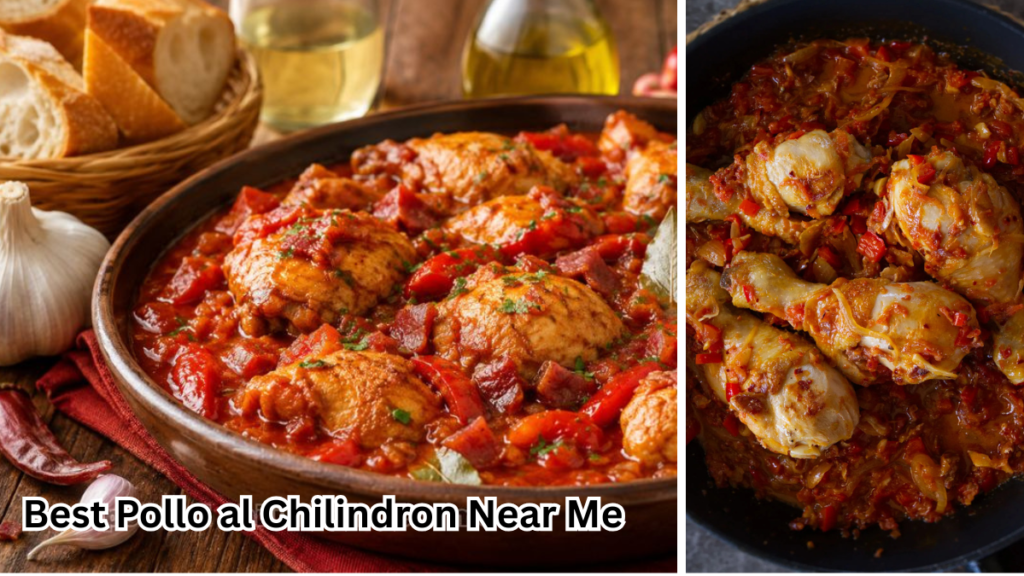
Pollo al chilindrón is one of those dishes that feels humble at first glance but becomes memorable once you taste it. The dish usually features chicken cooked slowly with tomatoes, onions, garlic, roasted peppers, olive oil, white wine, and sometimes cured ham or chorizo. The sauce becomes rich and glossy as the ingredients simmer together, creating layers of sweetness, saltiness, acidity, and warmth.
The charm of this dish comes from its balance. It is not overly spicy, heavy, or complicated. Instead, it allows each ingredient to play an important role. The chicken absorbs the flavors of the sauce, while the peppers add brightness and natural sweetness. The tomatoes create depth, and the garlic gives the dish its unmistakable Mediterranean character.
“Pollo al chilindrón tastes like the kind of meal that has been simmering in a Spanish kitchen all afternoon,” is a fitting way to describe its appeal. It feels generous, familiar, and full of personality without needing expensive or unusual ingredients.
The Origins of This Classic Spanish Chicken Dish
Pollo al chilindrón is commonly associated with the regions of Aragón, Navarra, and parts of La Rioja in northern Spain. These areas are known for their hearty cuisine, agricultural traditions, local wines, and recipes that make the most of seasonal vegetables. The dish developed as a practical way to cook chicken with accessible pantry staples such as tomatoes, peppers, onions, and olive oil.
The word “chilindrón” is often used to describe the sauce itself rather than only the chicken recipe. This sauce can also be served with lamb, rabbit, pork, or even vegetables. However, chicken remains the most popular version because it becomes especially tender when braised slowly in the rich tomato and pepper mixture.
Traditional recipes may vary from one household to another. Some cooks include serrano ham for a salty, smoky flavor, while others prefer chorizo. Some versions use red wine, while others use white wine. The key idea remains the same: simple ingredients, careful cooking, and a sauce that deserves to be enjoyed with bread.
How to Recognize an Authentic Version at a Restaurant
When you order pollo al chilindrón at a restaurant, the appearance and aroma can tell you a lot before you even take the first bite. The chicken should look tender rather than dry or overly browned. The sauce should have a rich red-orange color from tomatoes and peppers, with visible pieces of onion, garlic, and vegetables.
Authentic versions often have a rustic look rather than a perfectly smooth sauce. You may see strips of red or green pepper, pieces of tomato, and small bits of cured ham. The texture should feel generous and homemade. A sauce that is too watery may suggest that it was rushed, while one that is excessively thick may overpower the chicken.
The flavor should be balanced. You should notice the sweetness of peppers, the acidity of tomatoes, the richness of olive oil, and the savory depth of chicken. A good plate should not taste only like tomato sauce. It should have several layers of flavor that build gradually as you eat.
A restaurant that takes pride in regional Spanish food will often prepare this dish slowly rather than using pre-made sauces. That extra time is important because the chicken needs to absorb the flavor of the vegetables, wine, herbs, and seasonings.
Why People Search for the Best Pollo al Chilindron Near Me
People are drawn to this dish because it offers something different from ordinary chicken recipes. It is flavorful without being difficult to enjoy, and it has enough richness to feel like a complete meal. Many diners discover it while exploring Spanish restaurants, trying tapas menus, or looking for traditional European comfort food.
The best pollo al chilindron near me is often found in places that focus on authentic regional cooking rather than generic international menus. Spanish restaurants, Latin Mediterranean kitchens, tapas bars, and chef-driven bistros may all offer their own interpretation. The best places usually highlight fresh ingredients, slow cooking, and house-made sauces.
This dish also appeals to people who enjoy meals with history. It is not a trendy recipe created for social media. It is a traditional preparation that has remained popular because it tastes good, works well for family meals, and brings together ingredients that naturally complement one another.
For many food lovers, the experience is about more than the chicken itself. It is about dipping warm bread into the sauce, sharing a bottle of Spanish wine, and enjoying a meal that feels relaxed and generous.
Key Ingredients That Define the Flavor
The foundation of pollo al chilindrón is chicken. Bone-in chicken pieces are often preferred because they add more flavor to the sauce while cooking. Chicken thighs and drumsticks are especially common because they stay juicy during slow braising. Some restaurants may use boneless chicken for convenience, but traditional-style versions usually benefit from the deeper flavor of bone-in meat.
Tomatoes are another essential ingredient. Fresh ripe tomatoes, crushed tomatoes, or high-quality canned tomatoes can all work well. The tomatoes provide acidity, body, and color. They are usually cooked down slowly until they become rich and concentrated rather than tasting raw or overly sharp.
Peppers are a defining part of the dish. Red bell peppers are especially important because they add sweetness and color. Green peppers may also be used for a more earthy flavor. In some recipes, roasted peppers are added for a smoky note that makes the sauce even more complex.
Garlic and onions build the aromatic base. They should be sautéed gently in olive oil until soft and fragrant. This early stage matters because it creates the foundation for the entire dish. Rushing the onions or burning the garlic can affect the final flavor.
Cured ham, chorizo, or bacon may be included in some versions. These ingredients add saltiness and smoky depth, but they should not overpower the chicken. In a well-balanced recipe, the cured meat supports the sauce rather than becoming the dominant flavor.
White wine, red wine, chicken stock, paprika, bay leaves, parsley, and black pepper may also appear in different versions. These ingredients bring additional layers of flavor while keeping the dish rooted in traditional Spanish cooking.
A Table of Essential Ingredients and Their Roles
| Ingredient | Role in the Dish | Flavor Contribution |
|---|---|---|
| Chicken thighs or drumsticks | Main protein | Tender, savory, juicy |
| Tomatoes | Sauce base | Rich, tangy, slightly sweet |
| Red bell peppers | Classic vegetable element | Sweet, bright, colorful |
| Green peppers | Optional added depth | Earthy, fresh, slightly bitter |
| Onion | Aromatic foundation | Sweet and mellow |
| Garlic | Essential seasoning | Warm, pungent, savory |
| Olive oil | Cooking base | Fruity, rich, Mediterranean |
| White wine | Deglazing and braising | Light acidity and aroma |
| Serrano ham or chorizo | Optional traditional addition | Smoky, salty, savory |
| Paprika | Seasoning and color | Warm, lightly smoky |
| Bay leaf | Slow-cooking aroma | Herbal and subtle |
| Fresh parsley | Finishing touch | Fresh, clean, vibrant |
The beauty of this ingredient list is that nearly everything serves more than one purpose. Tomatoes provide acidity and body. Peppers add sweetness and color. Olive oil carries flavor through the sauce. Wine helps lift the browned bits from the pan while adding subtle brightness.
A thoughtful cook understands that the quality of these ingredients matters. Fresh peppers, good olive oil, ripe tomatoes, and properly seasoned chicken can turn a simple recipe into something restaurant-worthy. The dish does not need complicated techniques, but it does reward patience and attention.
What the Sauce Should Taste Like
The chilindrón sauce should be rich but not heavy. It should have a gentle sweetness from peppers and onions, balanced by the acidity of tomatoes and wine. Garlic should be present but not harsh, while paprika may add warmth and a faint smoky note.
A good sauce often develops flavor in stages. First, the chicken is browned to create depth. Then the onions and peppers are cooked until softened. Garlic is added briefly, followed by tomatoes, wine, stock, and herbs. As the mixture simmers, the flavors slowly blend together.
The final result should cling lightly to the chicken and feel satisfying with bread, rice, or potatoes. It should not taste like a basic marinara sauce. The savory chicken juices, olive oil, peppers, herbs, and optional cured meat should give it a distinctly Spanish character.
“Great sauce is never rushed; it is built one ingredient at a time,” is especially true for this recipe. The best versions feel rounded, not sharp. They taste like every ingredient had time to contribute.
Where to Find the Best Pollo al Chilindron Near Me
Finding the best pollo al chilindron near me starts with looking at the type of restaurant rather than only searching for the dish name. Authentic Spanish restaurants are the most obvious choice, especially those that mention regional dishes from Aragón, Navarra, Catalonia, Madrid, or northern Spain on their menu.
Tapas restaurants can also be excellent places to try it. Some may serve pollo al chilindrón as a main course, while others may offer smaller portions as part of a shared menu. A tapas bar that emphasizes homemade sauces, Spanish wines, Iberian ham, and traditional recipes is usually a strong sign.
Mediterranean restaurants may also feature similar dishes, though the name and preparation can vary. It is worth reading menu descriptions carefully. Look for references to roasted peppers, tomato braise, Spanish paprika, olive oil, wine sauce, or slow-cooked chicken.
Online restaurant reviews can be useful, but food photos often reveal even more. Look for plates where the chicken appears moist, the sauce looks freshly prepared, and the vegetables are visible. Reviews that mention “homemade,” “slow-cooked,” “authentic Spanish flavor,” or “rich pepper sauce” are often encouraging signs.
Signs of a High-Quality Spanish Restaurant
A good Spanish restaurant usually pays close attention to ingredients. You may see Spanish olive oil, cured ham, imported cheeses, authentic wine selections, and traditional dishes that go beyond paella. While paella is popular, a menu with regional recipes shows that the kitchen understands Spanish food at a deeper level.
Another good sign is a menu that includes dishes such as patatas bravas, croquetas, tortilla española, gazpacho, albóndigas, gambas al ajillo, pisto, or bacalao. These dishes suggest that the restaurant is interested in traditional cooking rather than relying only on familiar tourist favorites.
The restaurant atmosphere can also play a role, although food quality matters most. Warm hospitality, shared plates, Spanish wines, and a relaxed dining style often make the meal more enjoyable. Pollo al chilindrón is a dish that feels best when served in a setting that encourages lingering at the table.
The strongest restaurants are often those that respect simplicity. They do not need to overload the plate with unnecessary garnishes or turn every classic dish into a modern experiment. Fresh ingredients and thoughtful cooking are usually enough.
The Difference Between Homemade and Restaurant Versions
Homemade pollo al chilindrón often feels more rustic and personal. A home cook may use a family recipe, adjust the seasoning to taste, add extra peppers, or include more garlic. The sauce may be thicker or thinner depending on the cooking style. These small differences are part of what makes home-style Spanish food so appealing.
Restaurant versions may be more polished in presentation, but the best ones still preserve the comforting character of the dish. The chicken should remain tender, the sauce should taste freshly made, and the vegetables should not disappear completely into a smooth puree.
At home, the dish is often served in a large pan or pot placed directly on the table. Everyone can help themselves, spooning extra sauce over bread, rice, or potatoes. This creates a relaxed, communal meal that feels ideal for family dinners.
In restaurants, the dish may be plated individually with roasted potatoes, rice pilaf, grilled vegetables, or crusty bread. Both approaches can be excellent. The most important thing is that the core flavors remain true to the dish.
The Role of Olive Oil in Authentic Flavor
Olive oil is not just a cooking fat in Spanish cuisine. It is one of the main flavor-building ingredients. In pollo al chilindrón, olive oil is used to brown the chicken, soften the vegetables, and help carry the aromas of garlic, onions, peppers, and paprika.
A fruity extra virgin olive oil can add a subtle richness to the finished dish. It does not need to dominate the sauce, but it should support the other ingredients. When used properly, olive oil gives the dish a smooth, rounded quality that butter or neutral oil cannot fully replicate.
The oil also helps create the sofrito, which is the slow-cooked base of onions, garlic, tomatoes, and peppers. This base is essential in many Spanish recipes. A carefully cooked sofrito becomes sweet, savory, and deeply aromatic.
The best cooks allow the vegetables to soften slowly rather than frying them aggressively. This gentle cooking process brings out natural sweetness and gives the sauce a fuller flavor.
Wine Pairings That Work Beautifully
Pollo al chilindrón pairs well with several types of wine because the dish has both savory and bright elements. A Spanish red wine with moderate body can work especially well, particularly if the recipe includes chorizo, ham, or smoked paprika. Rioja is a popular choice because it often has enough fruit and structure to complement the tomato-based sauce.
For lighter versions, especially those made with white wine and less cured meat, a crisp Spanish white wine can be excellent. Albariño, Verdejo, or a dry Garnacha Blanca can bring freshness to the meal without overpowering the chicken.
Rosé wine is also a pleasant choice, especially during warmer weather. A dry Spanish rosé can match the sweetness of peppers while refreshing the palate between bites. This can be a great option when the dish is served with grilled vegetables or a lighter side salad.
The goal is not to find the most expensive bottle. It is to choose a wine that supports the food. The dish already has a rich sauce, so wines with excessive sweetness or heavy tannins can feel unbalanced.
Side Dishes That Complete the Meal
Crusty bread is one of the most traditional and satisfying accompaniments. The sauce is too good to leave on the plate, and bread gives you the perfect way to enjoy every drop. A rustic country loaf, baguette, or Spanish-style bread all work well.
Roasted potatoes are another natural choice. Their crisp edges and soft centers pair beautifully with the rich tomato and pepper sauce. They can be roasted with olive oil, garlic, paprika, and herbs to match the flavors of the main dish.
Rice is also common, especially simple white rice or lightly seasoned rice pilaf. It absorbs the sauce and makes the meal more filling. For a lighter option, serve the chicken with grilled zucchini, green beans, roasted asparagus, or a mixed salad with olives and citrus dressing.
A Spanish tortilla can work well for a larger family-style meal, especially when serving several dishes. It may sound rich alongside chicken stew, but a thin slice of tortilla with vegetables can create a memorable Spanish-inspired spread.
Why Slow Cooking Makes Such a Difference
Slow cooking is one of the reasons pollo al chilindrón has such a satisfying flavor. The chicken becomes tender as it simmers gently, and the sauce becomes more concentrated without tasting harsh. Tomatoes soften, peppers break down slightly, and the flavors of garlic, onions, wine, and herbs become more unified.
Cooking too quickly can result in chicken that feels dry or sauce that tastes separate rather than blended. The dish needs time for the ingredients to become part of one another. This does not necessarily mean hours of cooking, but it does mean avoiding unnecessary rushing.
The process is also forgiving. Once the chicken and sauce are simmering together, the dish mostly takes care of itself. This makes it ideal for weekend dinners, family meals, and occasions when you want something flavorful without constant attention.
Many cooks believe that the dish tastes even better the next day. After resting overnight, the sauce becomes deeper and the chicken absorbs more flavor. Reheating it gently can make leftovers feel like an upgraded version of the original meal.
How to Make It at Home
To make pollo al chilindrón at home, begin by seasoning chicken pieces with salt, black pepper, and a little paprika. Heat olive oil in a heavy pan or Dutch oven and brown the chicken on both sides. Remove it from the pan once it has developed a golden exterior.
In the same pan, add chopped onions and peppers. Cook them slowly until softened and fragrant. Add garlic near the end so it does not burn. Then stir in chopped tomatoes or crushed tomatoes, followed by white wine, chicken stock, bay leaves, and a little more paprika.
Return the chicken to the pan, cover partially, and allow everything to simmer gently until the chicken is tender and the sauce has thickened. Add fresh parsley near the end for brightness. Taste the sauce and adjust seasoning carefully.
The result should feel generous and rustic. Serve it directly from the pan with bread, potatoes, or rice. A squeeze of lemon is not traditional in every version, but a small amount can brighten the dish if the sauce feels especially rich.
Common Mistakes That Affect the Final Dish
One common mistake is using chicken breast without adjusting the cooking time. Chicken breast can become dry quickly, especially during braising. Thighs and drumsticks are more forgiving because they contain more fat and connective tissue, which helps them stay tender.
Another mistake is adding too much tomato without balancing it. Tomatoes can become overly acidic if not cooked long enough or if the recipe lacks sweetness from peppers and onions. A small pinch of sugar can help in some cases, but slow cooking vegetables properly is usually the better solution.
Overcooking garlic is another issue. Burned garlic can make the sauce bitter, and that bitterness is difficult to fix. Add garlic after the onions and peppers have softened, then cook it only briefly before adding liquid.
Some cooks also use too much smoked paprika. Paprika should enhance the sauce, not dominate it. The dish should still taste like chicken, peppers, tomatoes, and olive oil rather than only smoke.
A Dish That Works for Family Meals
Pollo al chilindrón is perfect for family-style dining because it is easy to make in larger portions. One pot can feed several people, and the sauce stretches naturally when served with bread, rice, potatoes, or vegetables.
It is also a flexible dish. You can make it ahead of time, keep it warm on low heat, and serve it when everyone is ready. This makes it useful for relaxed dinners, weekend gatherings, and small celebrations.
The ingredients are familiar enough for many people to enjoy, including children and guests who may not normally eat Spanish food. The flavors are rich but approachable. There is no need for extreme spice or unfamiliar textures.
“A good family dish should make people reach for more bread,” and pollo al chilindrón does exactly that. The sauce becomes the center of the table, and everyone finds their own favorite way to enjoy it.
Health Benefits of the Main Ingredients
Chicken is a useful source of protein, which helps support muscle maintenance and keeps meals filling. Using skinless chicken can reduce the fat content, although traditional versions may include skin-on pieces for added flavor.
Tomatoes provide antioxidants such as lycopene, while peppers offer vitamin C and other beneficial nutrients. Garlic and onions contain naturally occurring compounds that are often associated with a balanced diet. Olive oil, especially extra virgin olive oil, is widely appreciated as part of Mediterranean-style eating patterns.
The dish can be adjusted to fit different preferences. You can reduce cured meats, use leaner chicken, add more vegetables, or serve it with salad instead of fried potatoes. These changes keep the spirit of the dish while making it lighter.
However, traditional recipes are not meant to be treated as strict health food. Their appeal comes from balance, satisfaction, and real ingredients. Enjoyed as part of a varied diet, pollo al chilindrón can be both comforting and nourishing.
How to Order It With Confidence
When checking a restaurant menu, look for details in the dish description. Words such as “braised,” “slow-cooked,” “roasted peppers,” “Spanish paprika,” “tomato and wine sauce,” and “house-made” are all positive signs.
You can also ask whether the dish includes chorizo, ham, or another cured meat. This matters for diners with dietary preferences, allergies, or religious restrictions. Some versions are naturally gluten-free, but it is still important to confirm whether flour, stock cubes, or sauces contain gluten.
If you prefer a milder flavor, ask whether the dish is spicy. Traditional pollo al chilindrón is usually not very hot, but restaurants may add chili or stronger paprika. If you enjoy a richer sauce, ask for extra bread or potatoes.
Ordering a Spanish appetizer before the main course can make the meal feel more complete. Croquetas, olives, grilled vegetables, tortilla española, or a small charcuterie plate all pair well with the dish.
The Appeal of Regional Spanish Cooking
Regional Spanish cooking is full of dishes like pollo al chilindrón: recipes that rely on good ingredients, careful timing, and local traditions. Spain has many distinct culinary regions, each with its own flavors, wines, seafood, meats, vegetables, and cooking methods.
Northern Spain is often known for heartier dishes, rich sauces, stews, beans, meats, and mountain-influenced cuisine. Coastal regions may focus more on seafood, while southern regions may use more citrus, fried foods, and lighter vegetable dishes.
Pollo al chilindrón belongs to the kind of cuisine that feels practical and celebratory at the same time. It can be made from everyday ingredients, yet it is flavorful enough to serve to guests. That balance is one reason it has remained popular for generations.
When you eat regional Spanish food, you are often tasting a story of climate, farming, family habits, and local ingredients. A dish like this connects diners to a culinary tradition that values patience and hospitality.
Why Fresh Peppers Matter So Much
Fresh peppers are one of the main reasons the sauce tastes lively rather than flat. Red peppers bring sweetness, while green peppers add a more savory and slightly bitter note. Together, they create contrast and depth.
Roasting the peppers before adding them can create an extra layer of flavor. Their skins blister, their flesh softens, and their natural sweetness becomes more noticeable. This is not required in every recipe, but it can make the dish feel more special.
Peppers should not be cut too small. Larger strips or chunks give the dish texture and make it visually appealing. They also remind you that the sauce is built from real vegetables rather than simply blended ingredients.
The color of peppers matters too. The red, green, and orange tones make the dish feel warm and inviting. Presentation may not be the main goal of a rustic stew, but a colorful plate always adds to the experience.
Tips for Reheating and Storing Leftovers
Pollo al chilindrón stores well in the refrigerator for several days. Allow it to cool before placing it in an airtight container. The sauce may thicken slightly as it chills, which is normal.
When reheating, use low to medium heat on the stove. Add a small splash of chicken stock, water, or wine if the sauce becomes too thick. Stir gently and avoid overheating the chicken, especially if using boneless pieces.
Microwaving is possible, but the stove usually gives better results because it reheats the sauce more evenly. Cover the pan loosely to prevent splattering and keep the chicken moist.
Leftovers can also be transformed into another meal. Shred the chicken and serve it over rice, use it as a filling for sandwiches, spoon it over pasta, or serve it with eggs for a hearty breakfast-style dish.
The Best Times to Enjoy This Dish
Pollo al chilindrón is especially satisfying during cooler weather because it is warm, saucy, and comforting. It fits naturally into autumn and winter dinners, when hearty meals feel especially welcome.
However, it is not limited to cold seasons. With a crisp salad, chilled Spanish wine, and grilled bread, it can also be a wonderful spring or summer dinner. The peppers and tomatoes give the dish enough freshness to feel lighter than many other stews.
It is a great option for Sunday lunch, casual dinner parties, date nights at a Spanish restaurant, or family meals where you want something a little more memorable than ordinary roasted chicken.
The dish also works well for meal preparation because it reheats beautifully. Making a larger batch can provide satisfying lunches or dinners for several days.
How Reviews Can Help You Find Great Local Options
Restaurant reviews are useful when you know what to look for. Instead of only checking star ratings, read comments about flavor, freshness, service, and authenticity. A restaurant with slightly fewer reviews but detailed praise for its food may be more promising than one with many vague ratings.
Look for reviewers who mention specific dishes, especially Spanish stews, tapas, sauces, grilled meats, and regional specialties. Comments about fresh ingredients, slow cooking, and homemade food are often more useful than general comments such as “nice place.”
Food photos can also help. A well-prepared pollo al chilindrón should have visible peppers, rich sauce, and chicken that looks moist. The plate should feel generous rather than overly decorative.
The best pollo al chilindron near me may not always come from the largest or most famous restaurant. Small family-owned places sometimes offer the most memorable versions because they cook from traditional recipes and focus on flavor rather than trends.
Serving Ideas for a Restaurant-Style Presentation
For a restaurant-style plate at home, serve one or two pieces of chicken over roasted potatoes or creamy mashed potatoes. Spoon plenty of sauce over the top and arrange peppers around the chicken.
Add a small garnish of chopped parsley or fresh herbs. A few olives on the side can add a briny contrast. A slice of grilled bread makes the presentation feel complete while also giving diners a way to enjoy the sauce.
For a more rustic style, serve the entire dish in a shallow casserole or large skillet. Place it in the center of the table with bread, salad, rice, and wine. This approach is especially good for gatherings because it encourages sharing.
Do not overcomplicate the presentation. The dish already has beautiful color and texture. Its appeal comes from looking abundant, warm, and homemade.
Why This Dish Has Long-Term Popularity
Many recipes come and go, but pollo al chilindrón continues to be appreciated because it has a timeless combination of qualities. It is flavorful, easy to understand, adaptable, and deeply comforting.
It also fits many modern food preferences. People enjoy meals made with recognizable ingredients, bold natural flavors, and cooking methods that feel honest. This dish offers all of that without needing trendy labels or unnecessary complexity.
Its flexibility also helps. You can make it with chicken, rabbit, lamb, vegetables, or different combinations of peppers. You can serve it casually or elegantly. You can prepare it for a weeknight dinner or a special occasion.
The recipe has survived because it gives people something they truly want from food: warmth, satisfaction, and a sense of connection.
Conclusion
Pollo al chilindrón is much more than chicken in tomato sauce. It is a classic Spanish comfort dish built around slow cooking, fresh vegetables, olive oil, tender chicken, and a rich pepper-based sauce. Its flavor is rustic, balanced, and deeply satisfying.
Whether you enjoy it at a traditional Spanish restaurant or make it in your own kitchen, the dish offers a memorable experience. The best pollo al chilindron near me should deliver tender chicken, vibrant peppers, a rich homemade-style sauce, and the kind of flavor that makes you want one more piece of bread.
A well-made version does not need to be complicated. It simply needs good ingredients, proper seasoning, and enough time for everything to come together. That is the lasting beauty of this Spanish classic.
Frequently Asked Questions
Is pollo al chilindrón spicy?
Traditional pollo al chilindrón is usually mild rather than spicy. It often includes paprika, garlic, peppers, and tomatoes, but these ingredients create warmth and depth instead of intense heat. Some restaurants may add chili peppers or hot paprika, so it is always reasonable to ask about spice level before ordering.
What is usually served with pollo al chilindrón?
The dish is commonly served with crusty bread, roasted potatoes, rice, or vegetables. Bread is especially popular because the rich tomato and pepper sauce is too flavorful to leave behind. A simple green salad, Spanish olives, or grilled vegetables can also make the meal feel more balanced.
Does pollo al chilindrón contain pork?
Some recipes include serrano ham, chorizo, bacon, or another cured pork product for extra smoky flavor. However, not every version contains pork. Many restaurants and home cooks prepare it using only chicken, peppers, tomatoes, garlic, olive oil, wine, and herbs. Always check the menu or ask the kitchen if this is important for your dietary needs.
Can pollo al chilindrón be made without wine?
Yes, it can be made without wine. Chicken stock, vegetable stock, or a small amount of water with extra tomatoes can replace wine in the recipe. Wine adds acidity and aroma, but the dish can still be flavorful without it when the vegetables and seasonings are cooked properly.
Is pollo al chilindrón gluten-free?
The main ingredients are naturally gluten-free, including chicken, tomatoes, peppers, onions, garlic, olive oil, and herbs. However, restaurant versions may use flour to thicken the sauce or stock products that contain gluten. When looking for the best pollo al chilindron near me, ask the restaurant directly if you need a gluten-free meal.
Can I freeze pollo al chilindrón?
Yes, pollo al chilindrón freezes well. Store it in an airtight freezer-safe container after it has cooled completely. When ready to eat, thaw it in the refrigerator and reheat gently on the stove. The sauce may become slightly thicker after freezing, but a small splash of stock or water can restore the desired consistency.
Read also: Best Tarta de Brocoli Near Me: A Complete Guide to Finding a Fresh and Flavorful Broccoli Tart